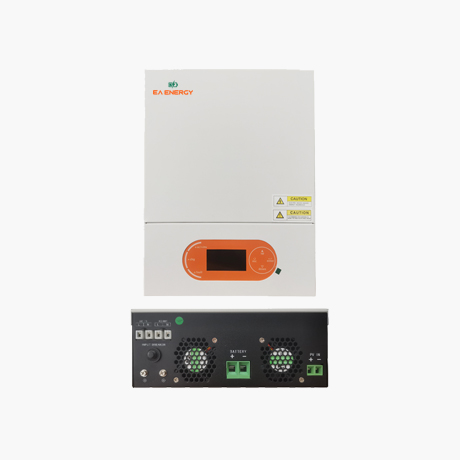
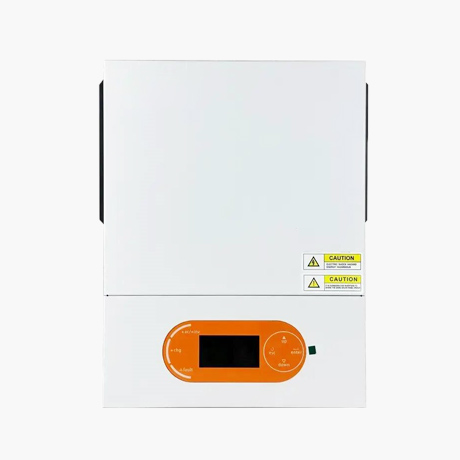
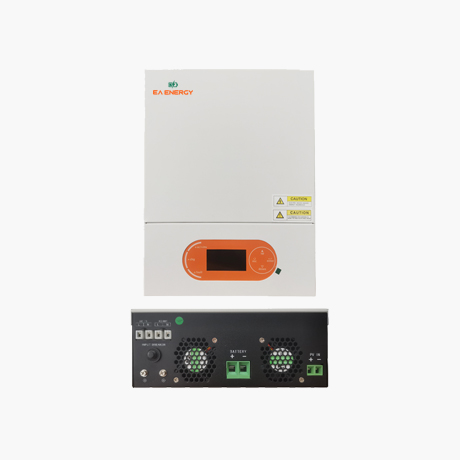
EA ENERGY Solar Charge Inverter (24V/48V, 5kW–11kW) – Low-Voltage Power Solutions
Designed for off-grid and hybrid systems, these low-voltage solar charge inverters (24V/48V, 5kW–11kW) efficiently convert DC power from solar panels or batteries into stable AC power, supporting residential and commercial needs. Equipped with MPPT technology (up to 99% efficiency), they optimize solar energy harvesting and integrate seamlessly with lithium/lead-acid batteries. Featuring pure sine wave output for sensitive electronics, they ensure 93–97.6% conversion efficiency and surge capacities up to 16kW for heavy-duty appliances. Advanced monitoring via Wi-Fi/Bluetooth/GPRS enables real-time control, while IP65/IP66 protection and modular scalability (up to 6–10 units) enhance durability and adaptability. Ideal for remote locations or sustainable projects, they offer 5–10-year warranties and maintenance-free operation, reducing energy costs and carbon footprints.
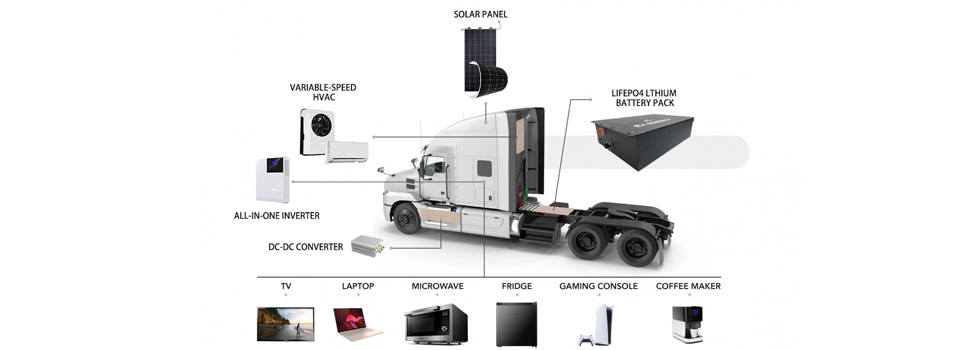
EA ENERGY Solar inverters excel in converting solar DC power to AC electricity with high efficiency (up to 99.9% via MPPT technology), making them ideal for RVs requiring reliable off-grid energy. Key features include pure sine wave output for safe operation of sensitive electronics (e.g., RV air conditioners, refrigerators), lightweight design (compatible with LiFePO4 batteries), and IP65/IP66 waterproof ratings for durability in harsh environments. For RVs, they enable modular scalability (e.g., parallel setups for 5kW–11kW systems) and integrate real-time monitoring via Bluetooth/Wi-Fi to optimize energy use. The self-heating function (-20°C operation) and low maintenance of this RV electrical system ensure year-round reliability, while solar compatibility reduces reliance on generators, enhancing sustainability.
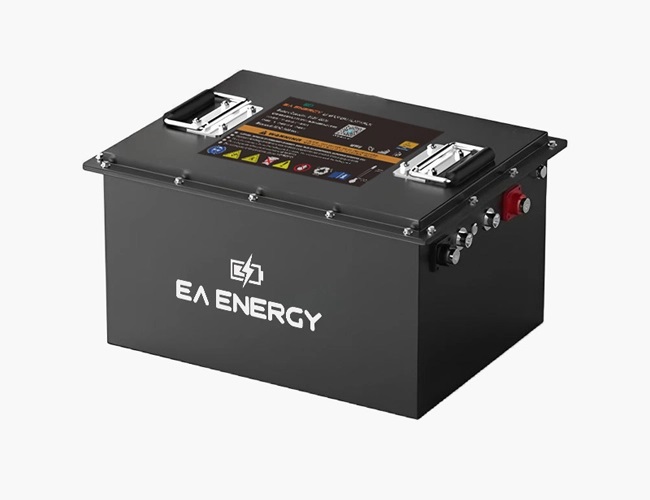
A solar inverter converts DC electricity from solar panels into AC electricity for household or grid use. It also optimizes energy production through maximum power point tracking (MPPT), monitors system performance, and ensures safety by shutting down during grid outages or faults. Advanced models may integrate with battery storage or smart grid systems for energy management, making them a key component supported by reliable Lithium-ion battery China manufacturer solutions.
Most string inverters have a lifespan of 10–15 years with warranties spanning 10–12 years, while microinverters often come with 25-year warranties. High-efficiency models with durable components (e.g., silicon carbide semiconductors) can achieve over 99% efficiency and extended operational life.
Consider your system size, panel type, and energy needs. For shaded areas or complex roofs, microinverters or power optimizers are ideal. Hybrid inverters suit battery-compatible setups, while smart inverters enable grid interaction. Match the inverter’s wattage to your solar array’s capacity (e.g., a 7kW system pairs with a 7kW inverter). Prioritize brands with strong warranties and certifications like TÜV or CE.
String inverters are typically installed near ground level for easy maintenance, while microinverters attach directly to panels on the roof. Avoid direct sunlight exposure and ensure proper ventilation to prevent overheating. Outdoor models with IP65/IP66 ratings are weather-resistant.
Check error codes displayed on the inverter or monitoring app, ensure connections are secure, and reboot the system. For persistent issues like overheating or grid isolation faults, contact certified technicians or the manufacturer’s support team. Regular maintenance (e.g., cleaning air filters, updating firmware) can prevent common failures.
 English
  Lithium Golf Cart Battery
  Low Speed Vehicle Battery
  Lithium Forklift Battery
  Aerial Work Platform Battery
  Floor Cleaning Machine Battery
  Lithium Marine Battery
  Residential ESS
  Commercial & Industrial ESS
  Truck Electrical System
  RV Electrical System