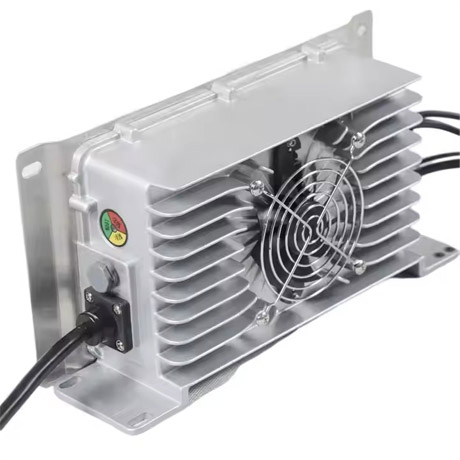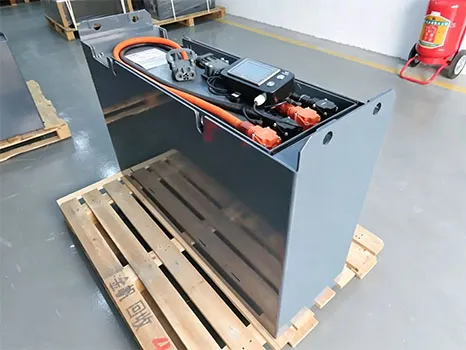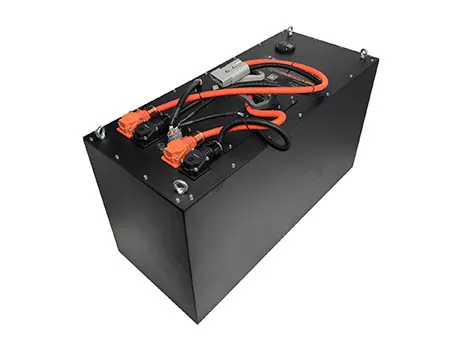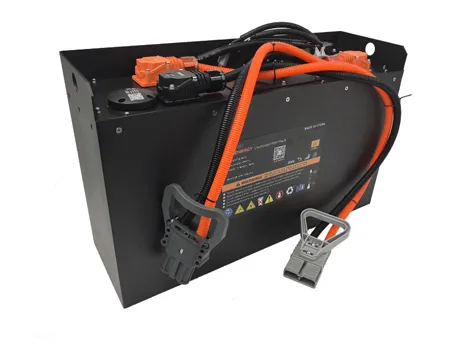
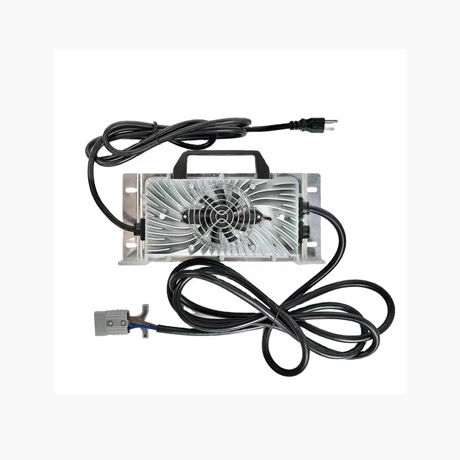
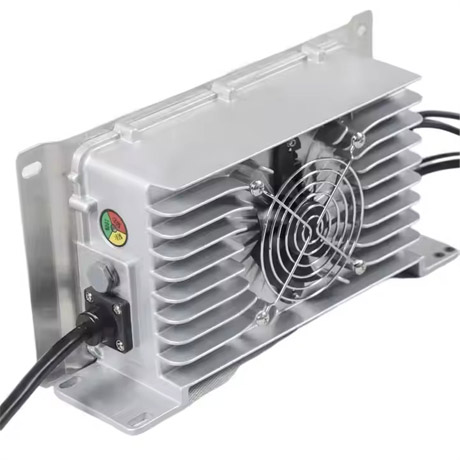
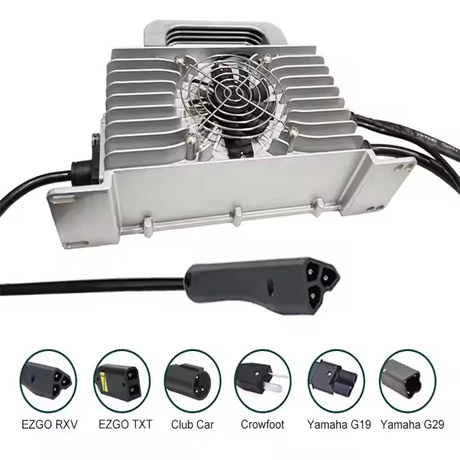
As a leading lithium battery charger supplier, The EA BATTERY LiFePO4 Battery Charger Series delivers high-performance charging solutions tailored for industrial and commercial electric vehicles, including aerial work platforms, resort shuttles, golf carts, and warehouse forklifts. Engineered with multi-stage intelligent charging algorithms, these lithium battery chargers for wholesale optimize energy transfer while protecting battery health, achieving 90%+ conversion efficiency to minimize energy waste. Ideal for 24/7 operations, these chargers feature auto voltage detection and adaptive current adjustment to extend battery lifespan by 30% compared to conventional models. Their compact, portable design (260×175×90mm) suits fixed installations or mobile charging stations. Backed by a 2-year warranty and IoT-ready connectivity (optional Bluetooth monitoring), EA ENERGY's lithium battery charging box redefines reliability for mission-critical fleets.
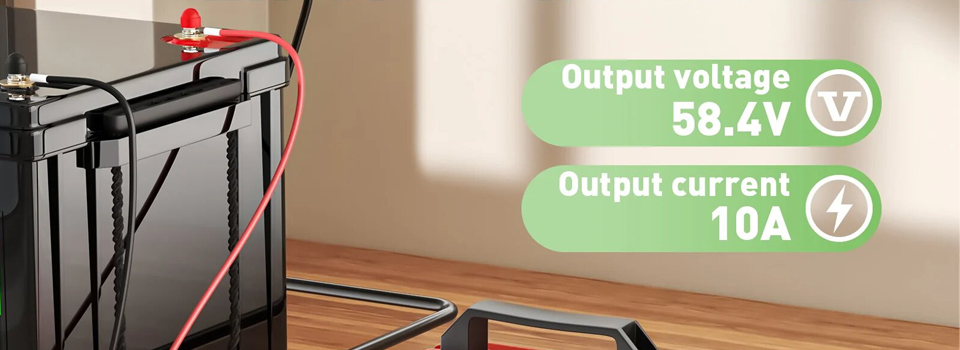
Lithium battery chargers from EA BATTERY offer fast, safe, and efficient charging tailored for lithium-ion/LiFePO4 batteries. They utilize CC-CV algorithms (constant current/voltage) to optimize speed while preventing overcharging, extending battery lifespan. Built-in smart protection (overvoltage, overheating, short-circuit) ensures safety and compatibility with battery management systems (BMS). Many support multi-voltage outputs (e.g., 24V–72V) for industrial applications like forklifts or electric vehicles, and feature high energy efficiency (up to 95%) with minimal standby power. Their lightweight design and low maintenance (no watering or equalization) reduce operational costs.
Wide Voltage Compatibility: This kind of truck electrical system supports 24V, 48V, and 72V LiFePO4 battery systems (100–400Ah), adapting seamlessly to diverse equipment requirements.
Rapid Charging: Our lithium battery charger wholesale delivers up to 40A output current, reducing downtime with a 0–80% charge in 2–3 hours, even under heavy-duty cycles.
Robust Safety: This lithium battery charger wholesale is Integrated safeguards include overcharge/overvoltage protection, temperature monitoring (-20°C–60°C), and short-circuit prevention, ensuring compliance with CE and UN38.3 certifications.
Durable Design: High-end aluminum alloy casing enhances heat dissipation and withstands harsh environments (IP65-rated dust/water resistance).
No. Lithium batteries require specific voltage and current profiles to avoid overcharging or damage. Lead-acid chargers may deliver improper voltage ranges (e.g., 14.2V–14.6V for 12V lithium systems is critical), risking safety hazards like overheating or reduced lifespan.
Charging time depends on battery capacity (Ah) and charger output (A). For example, a 100Ah battery with a 10A charger takes ~10 hours. Fast chargers may reduce this, but follow manufacturer guidelines to prevent overheating.
Yes. Modern lithium battery chargers wholesale integrate overcharge, overcurrent, short-circuit, and temperature protection. Some models feature IP54/IP65 ratings for dust/water resistance in outdoor environments.
Yes, but ensure compatibility. Use a solar charge controller designed for lithium batteries to regulate voltage/current. For example, solar chargers like the MS-TYN82 support lithium cells (3.7V–4.2V) and include overvoltage protection.
Most lithium battery chargers wholesale automatically stop charging at full capacity. However, prolonged connection may cause minor wear. For long-term storage, maintain 50%–80% charge and recharge every 3 months.
 English
  Lithium Golf Cart Battery
  Low Speed Vehicle Battery
  Lithium Forklift Battery
  Aerial Work Platform Battery
  Floor Cleaning Machine Battery
  Lithium Marine Battery
  Residential ESS
  Commercial & Industrial ESS
  Truck Electrical System
  RV Electrical System