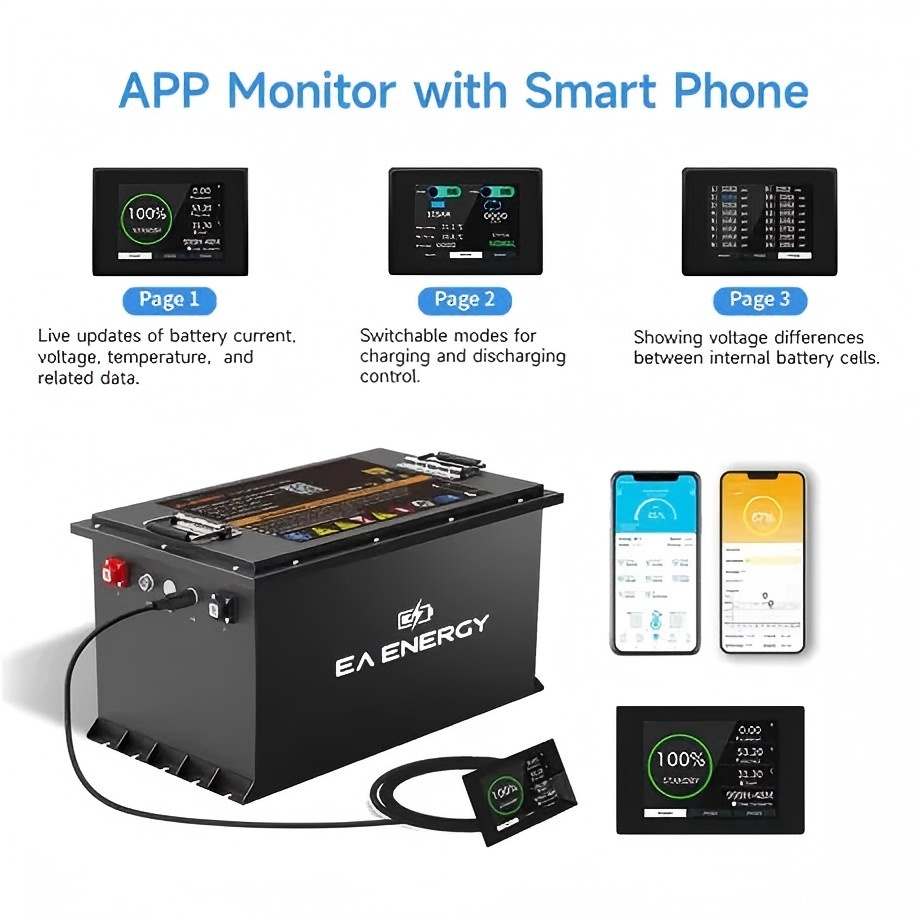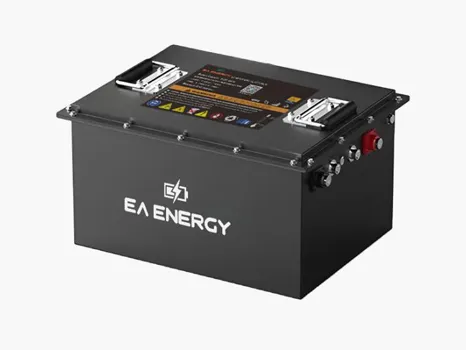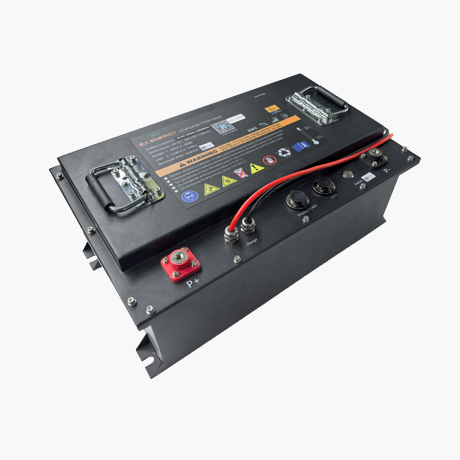
In the high-stakes world of material handling, warehousing, and automated logistics, the battery is no longer a mere consumable—it is a strategic asset. As global industries pivot toward electrification, the debate between traditional Lead-Acid batteries and Lithium Iron Phosphate (LiFePO4) has shifted from “technical curiosity” to “economic necessity.”
For decision-makers at OEMs, 3PL providers, and warehouse facilities, the primary question is no longer “Does it work?” but rather “What is the Total Cost of Ownership (TCO)?”This article provides a deep technical and financial breakdown of why EA BATTERY’s LiFePO4 solutions represent the most significant operational upgrade for modern industrial fleets.
For decades, Lead-Acid batteries were the industry standard due to low upfront acquisition costs. However, a technical audit of their lifecycle reveals a series of “hidden” expenses that erode profit margins:
Inefficient Charging (The 8-8-8 Rule): Traditional lead-acid batteries typically require 8 hours to charge, 8 hours to cool down, and provide only 8 hours of use. For multi-shift operations, this necessitates 2–3 batteries per vehicle, plus expensive battery-changing equipment and dedicated floor space for “battery rooms.”
Maintenance Labor: Lead-acid units require weekly “watering” (replenishing electrolyte levels), equalization charging, and frequent cleaning to prevent acid corrosion. In a fleet of 50 forklifts, this can account for over 1,500 man-hours of labor per year.
Energy Wastage: Lead-acid batteries have a round-trip efficiency of approximately 75-80%. A significant amount of energy is lost as heat during the charging process.
Shortened Lifespan: With a typical cycle life of 1,000 to 1,500 cycles (at 50-60% Depth of Discharge), lead-acid batteries in heavy-use environments often need replacement every 2–3 years.
To understand the ROI, we must first look at the raw technical parameters. EA BATTERY utilizes high-density LiFePO4 cells coupled with proprietary Battery Management Systems (BMS).
| Feature | Lead-Acid (Deep Cycle) | EA BATTERY (LiFePO4) |
|---|---|---|
| Cycle Life (80% DoD) | 1,200 - 1,500 Cycles | 3,500 - 5,000+ Cycles |
| Usable Capacity (DoD) | 50% - 60% | 90% - 100% |
| Charge Time | 8 - 10 Hours | 1 - 2 Hours (Fast Charge) |
| Opportunity Charging | Not Recommended (Damages Cells) | Highly Optimized |
| Energy Efficiency | ~75% | >95% |
| Maintenance | Weekly watering/cleaning | Zero Maintenance |
| Gas Emission | Hydrogen Off-gassing (Requires Ventilation) | None (Green & Clean) |
| Operating Temp (Discharge) | -20°C to 45°C (Efficiency drops) | -25°C to 60°C (Stable) |
Let's analyze a single Class I Electric Forklift (80V/500Ah) operating in a two-shift warehouse environment over 5 years.
Lead-Acid: Two batteries (for shift swapping) + Charging station = $10,000 - $12,000
EA BATTERY LiFePO4: One battery (Opportunity charging) + Fast Charger = $16,000 - $18,000
Observation: Lithium is roughly 50-60% more expensive upfront.
Electricity Costs: Due to 95% charge efficiency vs. 75%, LiFePO4 saves roughly 20% on the electric bill. In a heavy-use scenario, this equals ~$600/year savings per truck.
Labor Savings: Eliminating watering and battery swapping saves approximately 100 hours of labor per truck per year. At a $25/hour burdened labor rate, that is $2,500/year.
Battery Replacement: By year 3, the Lead-Acid battery will likely require replacement or significant refurbishment. The LiFePO4 battery will still have >80% of its original capacity at year 5.
Lead-Acid Total: $12,000 (Initial) + $12,500 (Labor) + $3,000 (Energy) + $8,000 (Replacement in Yr 3) = $35,500
EA BATTERY Total: $18,000 (Initial) + $0 (Labor) + $2,400 (Energy) + $0 (Replacement) = $20,400
Net Savings over 5 Years: $15,100 per Forklift.
For a fleet of 20 forklifts, the switch to EA BATTERY yields a $302,000 boost to the bottom line.
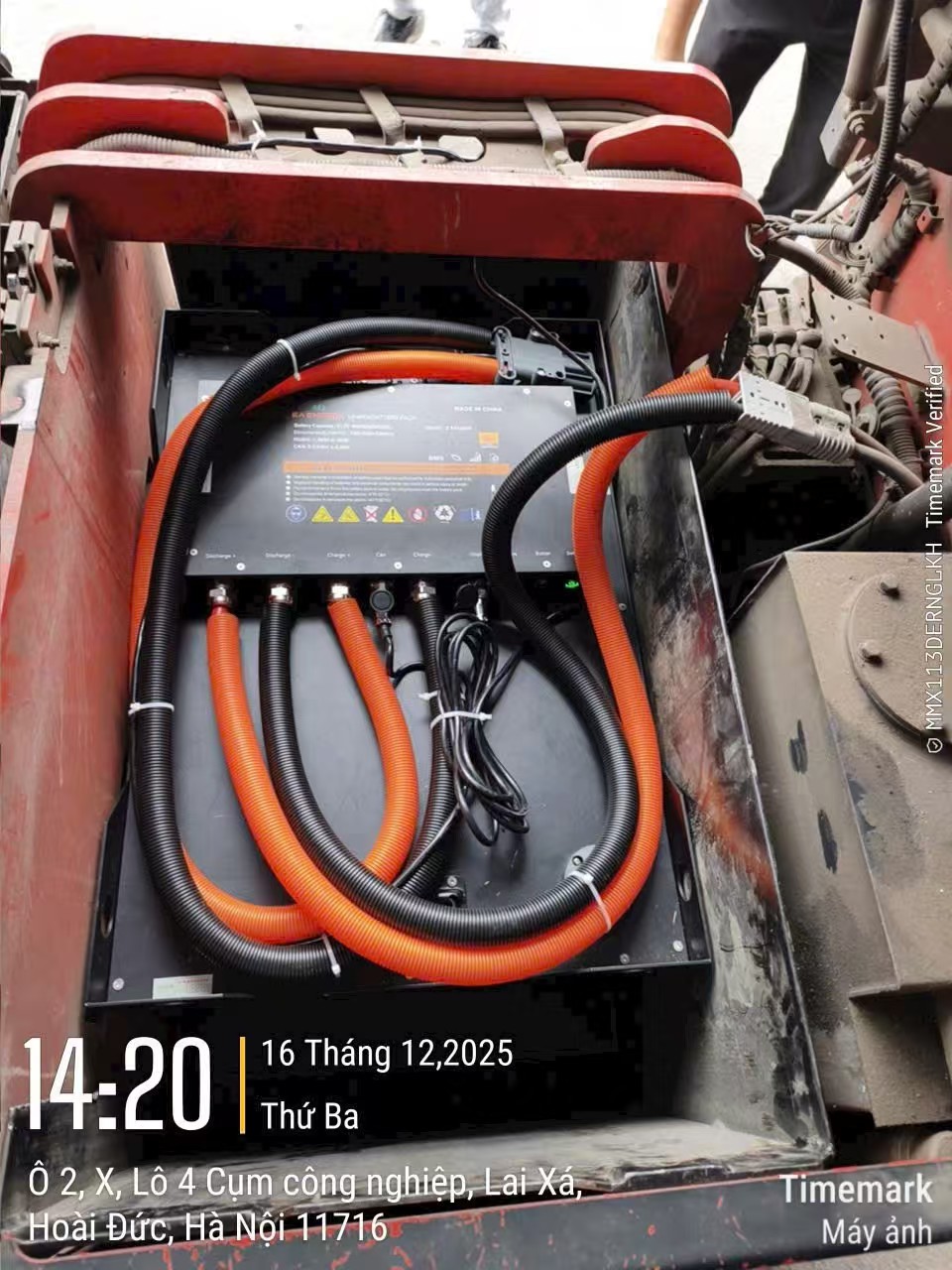
The hardware is only half the story. The “Intelligence” of the battery determines its true lifespan. EA BATTERY’s industrial packs are equipped with an advanced Cloud-Integrated BMS that features:
Active Balancing Technology: Unlike passive balancing which wastes energy as heat, our active balancing redistributes charge between cells during both charge and discharge cycles. This ensures the pack remains healthy even after 3,000 cycles.
CAN-bus & RS485 Communication: Full integration with the vehicle’s controller. This allows the forklift to adjust performance based on accurate State of Charge (SoC) and State of Health (SoH) data, preventing sudden “dead-on-floor” incidents.
Thermal Management Systems: Industrial environments vary from cold storage (-30°C) to hot foundries. Our BMS triggers integrated heating films or cooling protocols to keep the chemistry in the “Goldilocks Zone” (20°C - 35°C).
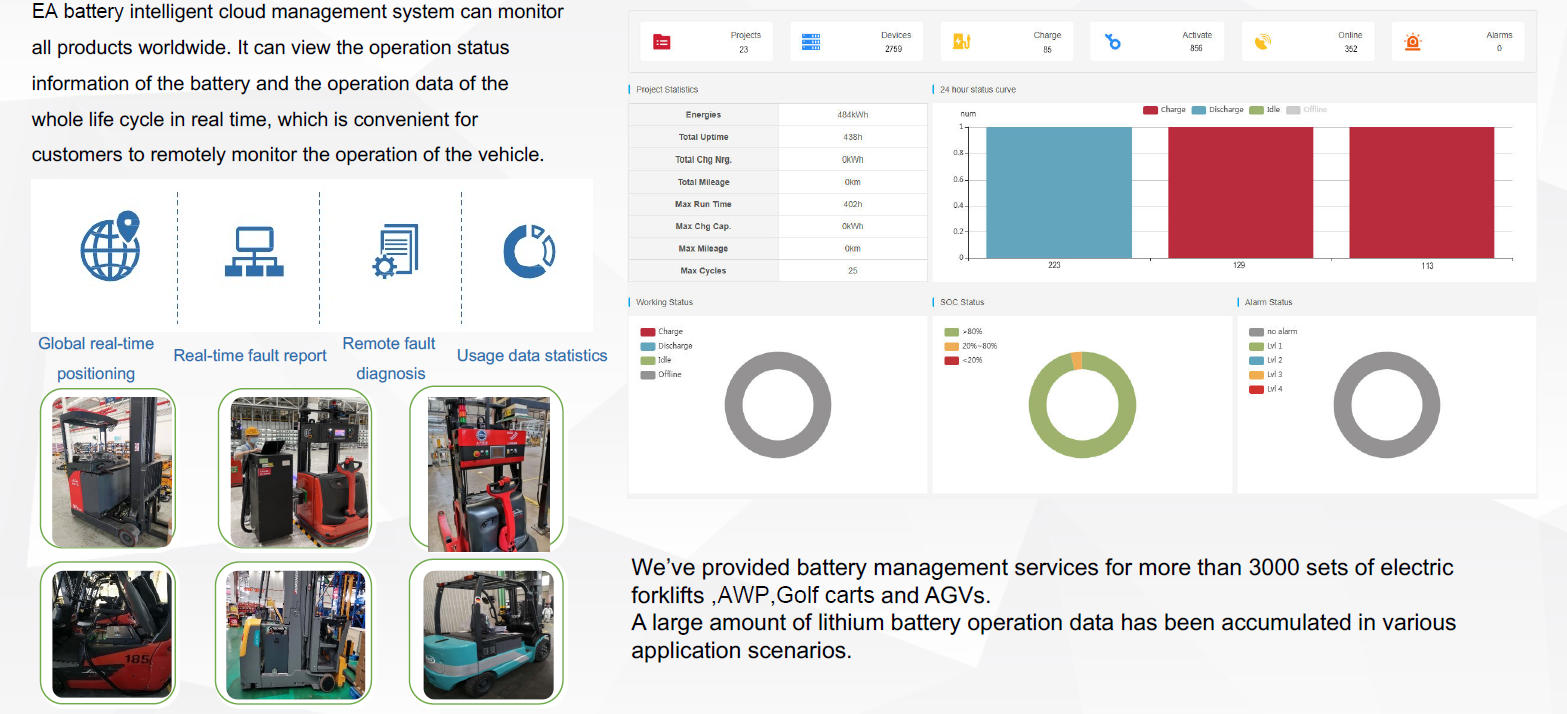
Real-time IoT Monitoring: Fleet managers can track battery health via a web dashboard, identifying “abusive” operator behavior (such as deep discharging) before it leads to hardware failure.
The ROI of EA BATTERY isn't just about direct costs; it's about Operational Velocity.
In a LiFePO4-powered facility, workers plug in the forklift during a 15-minute coffee break or a 30-minute lunch. Because LiFePO4 has no “memory effect,” these short bursts of energy keep the battery between 40% and 80% SoC all day. This eliminates the need for dedicated battery-changing rooms, freeing up hundreds of square meters for revenue-generating pallet storage.
Lead-acid batteries pose risks of acid spills and explosive hydrogen gas during charging. EA BATTERY uses Phosphates (LiFePO4), the most stable lithium chemistry available. It is inherently resistant to thermal runaway, making it the safest choice for indoor environments and food-grade warehouses. Furthermore, with a lifespan 3x longer than lead-acid, the environmental footprint and recycling overhead are significantly reduced.
The transition from Lead-Acid to EA BATTERY LiFePO4 is no longer an “if,” but a “when.” The data demonstrates that while the initial capital expenditure is higher, the payback period is typically reached within 18 to 24 months. Beyond that point, the savings flow directly into increased operational efficiency and decreased overhead.As a global motive power batteries supplier, EA BATTERY provides the engineering expertise to help you audit your fleet, calculate your specific ROI, and implement a seamless transition.
 English
  Lithium Golf Cart Battery
  Low Speed Vehicle Battery
  Lithium Forklift Battery
  Aerial Work Platform Battery
  Floor Cleaning Machine Battery
  Lithium Marine Battery
  Residential ESS
  Commercial & Industrial ESS
  Truck Electrical System
  RV Electrical System