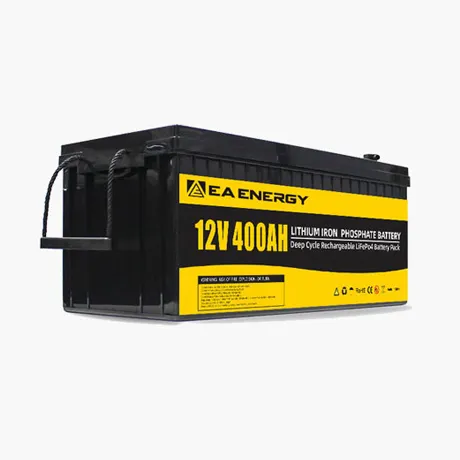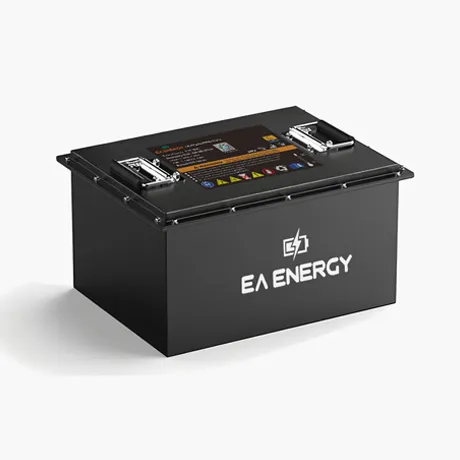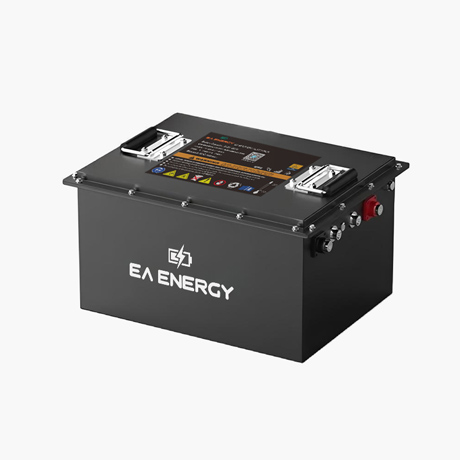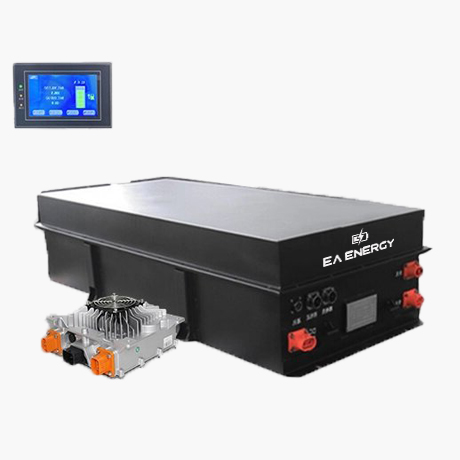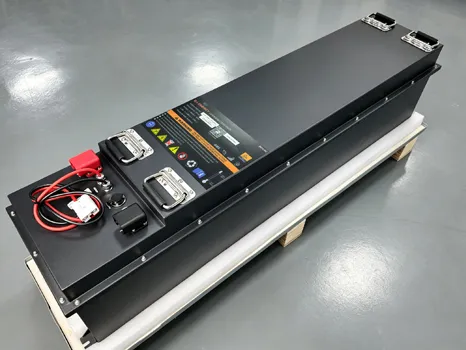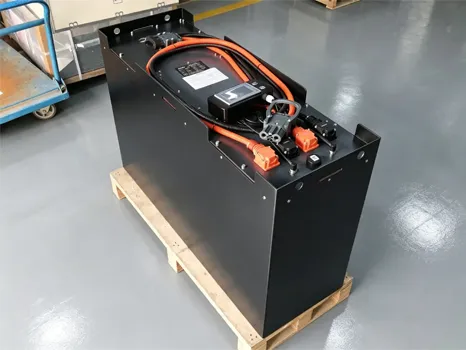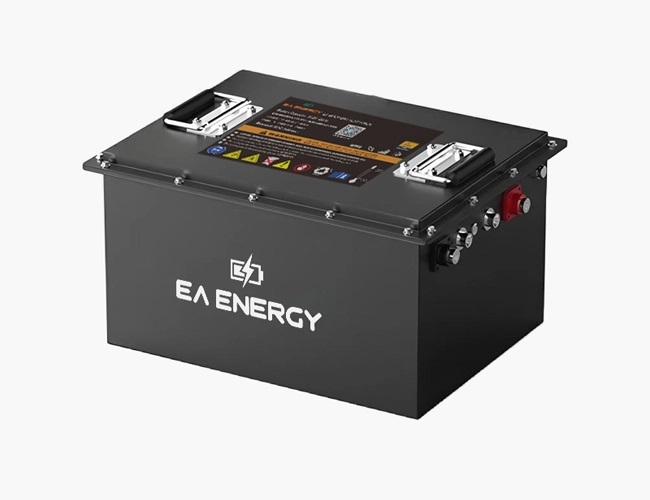
Finding the right replacement battery for your Genie GS-1930 is crucial to maintaining optimal performance and reliability. Among the top choices, EA ENERGY lithium batteries EA ENERGY EA24230S battery for Genie GS 1930, stand out for their durability and efficiency. Specifically designed for the Genie GS-1930, these batteries require no maintenance such as water refilling and have a lifespan of over 10 years. They perform exceptionally well in extreme temperatures ranging from -20°F to 120°F, making them ideal for harsh working environments. Additionally, their fast-charging capability and zero-emission operation make them an eco-friendly and cost-effective solution, reflecting the quality standards upheld by top li ion manufacturers. With these advanced features, you can save time, reduce costs, and ensure smooth operation of your scissor lift.
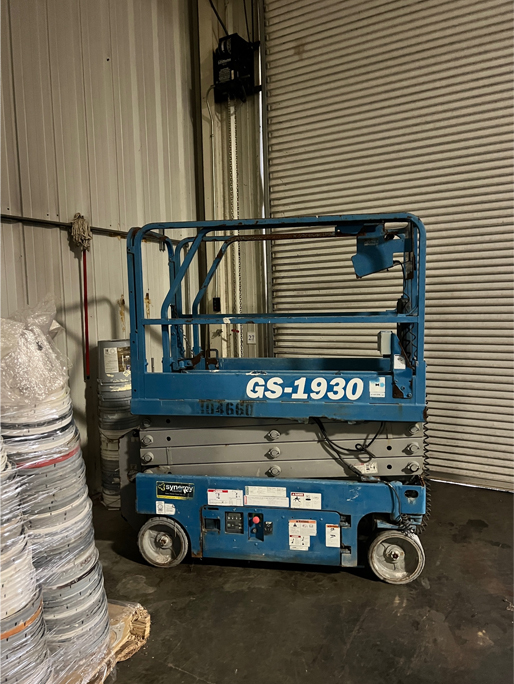
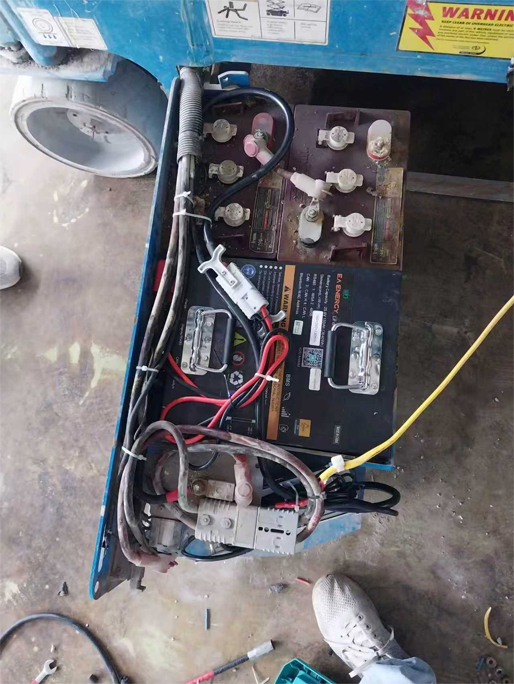
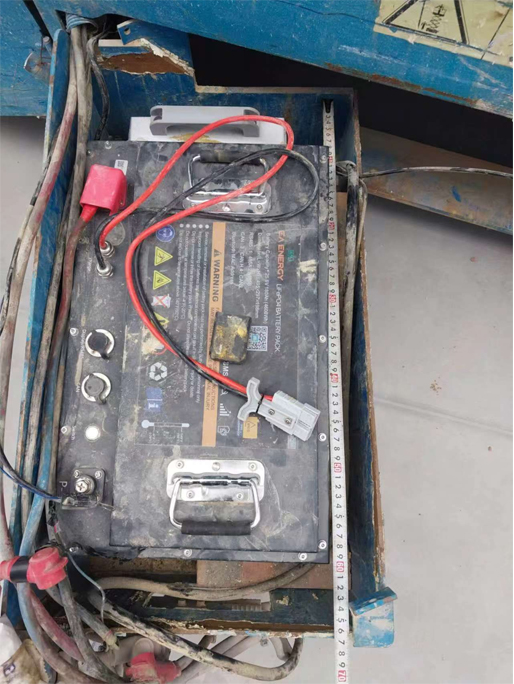
Choose EA ENERGY lithium batteries for long service life and low maintenance costs. They offer a lifespan of over 10 years and fast charging speeds.
Before purchasing a new battery, check the voltage and capacity. The Genie GS-1930 requires a 24-volt system with a battery capacity of at least 200 ampere-hours (Ah).
Verify the battery size to ensure a proper fit. Measure the internal space of your Genie GS-1930 to avoid installation issues.
Regularly inspect and clean the battery terminals to prevent rust. This simple maintenance task helps extend battery life.
Consider your usage frequency: lithium-ion batteries are more cost-effective in the long run for daily use, while lead-acid batteries are cheaper for occasional use.
Core Specifications
Voltage and Capacity Requirements
Your Genie GS-1930 scissor lift requires a battery with specific voltage and capacity to operate efficiently. Typically, the lift uses a 24-volt system, which can be achieved by connecting four 6-volt batteries in series. Each battery should have a capacity of at least 200 Ah to ensure peak performance. This capacity allows the lift to run for extended periods without frequent recharging, a key feature of reliable aerial work platform battery solutions. To avoid compatibility issues, always verify the following specifications before buying a replacement battery.
Battery Types (Lead-Acid, AGM, Gel, Lithium-Ion)
The Genie GS-1930 supports multiple battery types, including lead-acid, AGM (Absorbent Glass Mat), gel, and lithium-ion batteries. Lead-acid batteries are economical but require regular maintenance, such as water addition. AGM and gel batteries are maintenance-free and offer better shock resistance. Lithium-ion batteries, available from trusted motive battery suppliers, are renowned for their long lifespan, fast charging, and lightweight design. The right battery type depends on your budget and maintenance preferences.
Size and Fitment
Battery size is critical for compatibility. The Genie GS-1930 has limited battery compartment space, so the replacement battery must fit snugly. Measure the length, width, and height of the battery compartment before purchasing. Ill-fitting batteries may not install properly or may shift during operation, leading to potential damage.
Electrical System Compatibility
The Genie GS-1930’s electrical system requires a battery that matches its voltage and capacity specifications. Using a battery with mismatched voltage can damage the lift’s components. Ensure the replacement battery connects securely to the system and provides a stable power output.
Performance Problems
Using the wrong battery can cause several performance issues:
If the battery is fully discharged, the machine may fail to start. Always check the voltage before use.
Corroded terminals can lead to poor contact and reduced efficiency. Clean the terminals regularly to prevent this.
Insufficient power will shorten the lift’s runtime. Keep the battery fully charged to avoid interruptions.
Reduced Lifespan
Mismatched batteries typically wear out faster due to incompatible specifications. Overloading or undercharging puts stress on the battery, shortening its service life. Investing in a high-quality, compatible battery ensures durability and minimizes long-term replacement costs.
EA ENERGY EA24230S
Pros:
High capacity ensures longer runtime.
Fast-charging function reduces downtime.
Rugged design withstands harsh environments.
EA ENERGY lithium batteries bring cutting-edge technology to your Genie GS-1930. With a 24V system and 230Ah capacity, it delivers stable power and extended runtime. Its lightweight design reduces the scissor lift’s overall weight, improving efficiency. The battery also supports fast charging and operates efficiently in extreme temperatures from -20°F to 120°F.
BATTERY MODEL | Compatible Genie Models |
EA ENERGY EA24230S,EA24150S,EA24200S EA51230S,EA51120S | GS-1930, GS-1530, GR-12, GR-15, GR-16, GR-20,GS-2,GS-2032, GS-2046, GS-2632, GS-2646, GS-2668RT, GS-3232, GS-3246, GS-3268RT,TMZ-34/19,TMZ-50/30,TZ-34/20, TZ-50 |
Pros and Cons
Pros:
Maintenance-free design saves time and effort.
Compact and lightweight for easy installation.
Lifespan of over 10 years reduces replacement costs.
Cons:
Higher initial investment compared to lead-acid batteries.
Requires a compatible charger for optimal performance.
EA ENERGY lithium batteries stand out with advanced technology.They are maintenance-free, have a lifespan of over 10 years, and feature a lightweight design that boosts efficiency—even in extreme temperatures. Despite the higher upfront cost, their durability and ultra-low maintenance make them ideal for long-term use.
Cost-effectiveness depends on your budget and how you balance upfront costs with long-term savings. Lead-acid or AGM batteries are reliable but may incur higher long-term costs due to maintenance needs and shorter lifespans.
EA ENERGY lithium batteries, while more expensive initially, save significant costs over time. Their maintenance-free design eliminates ongoing expenses, and their longer lifespan reduces the need for frequent replacements. If you want a solution that balances performance and long-term value, this battery is worth considering.
Tip: If you use your Genie GS 1930 frequently, investing in a lithium battery saves money in the long run. For occasional use, lead-acid batteries may be more cost-effective.
Compatibility
Voltage and Capacity Matching
Matching voltage and capacity is critical when selecting a replacement battery. The Genie GS-1930 uses a 24-volt system, usually consisting of four 6-volt batteries in series. Each battery should have a capacity of at least 200 Ah for optimal performance. Using a battery with incorrect voltage or capacity can cause operational issues or damage the lift’s electrical components. Always verify these specifications before purchase.
Ensuring Proper Installation
The battery’s physical dimensions must match the Genie GS-1930’s battery compartment. Improperly installed batteries may shift during operation, causing damage or safety hazards. Measure the compartment’s length, width, and height to ensure a secure fit. A snug fit prevents movement and ensures proper electrical connection.
Cycle Life
Cycle life refers to the number of charge-discharge cycles a battery can withstand before efficiency declines. Batteries with higher cycle life, such as lithium-ion batteries, last longer and require less frequent replacement—making them cost-effective for frequently used equipment. Reliable power supply is crucial for minimizing downtime during operation, so consider batteries designed for heavy-duty applications.
Charge Retention
Charge retention is the length of time a battery can hold its charge when not in use. Poor charge retention may require frequent recharging, reducing efficiency. Maintenance-free batteries like AGM or lithium-ion models excel in charge retention, ensuring your Genie GS-1930 is always ready for use.
Maintenance Requirements
Maintenance-Free vs. Regular Maintenance Batteries
Maintenance-free batteries (e.g., AGM, lithium-ion) eliminate the need for tasks like checking fluid levels or cleaning terminals, saving time and effort. Lead-acid batteries, while affordable, require regular maintenance such as adding distilled water and checking acid levels. Choose a battery type based on your willingness to perform maintenance.
Ease of Use
Lead-acid battery maintenance involves shutting off power before servicing, checking acid levels via the locking cap, and recharging after each use. Maintenance-free batteries simplify these processes, making them ideal for users prioritizing convenience. However, regular checks—such as cleaning terminals and tightening connections—are still essential for all battery types to ensure longevity.
Tip: Always recharge the battery after each use to maximize its lifespan. For lead-acid batteries, add distilled water only after fully charging.
A comprehensive warranty protects your investment and provides peace of mind. Most lead-acid batteries come with a limited warranty (typically 1–3 years), which covers premature failure—though you may need to follow strict maintenance guidelines to keep the warranty valid.
Lithium-ion batteries usually offer longer warranties (sometimes 5–10 years), reflecting their durability and reliability. Additionally, many manufacturers provide premium customer support for lithium batteries, helping you troubleshoot issues or find compatible chargers.
Note: Always review the warranty terms before purchasing. A longer warranty can save you money on unexpected replacements.
Proper Charging Methods
Avoid Overcharging
Overcharging damages the battery and shortens its lifespan. Monitor the charging process and disconnect the charger once the battery is fully charged. Many modern chargers feature an automatic shutoff function to prevent overcharging. If your charger lacks this feature, set a timer to remind yourself to unplug it. Overcharging generates excess heat, which damages internal components.
Use the Correct Charger
Using the wrong charger leads to inefficient charging or permanent damage. Always use a charger compatible with your battery’s type and voltage. For example, lithium-ion batteries require chargers designed for their chemical composition. Follow the manufacturer’s recommendations to ensure you’re using the right charger for your Genie GS 1930 battery.
Regular Inspections
Check for Corrosion
Corrosion on battery terminals hinders current flow and reduces performance. Regularly inspect terminals for signs of corrosion (e.g., white or green deposits). If corrosion is present, clean the terminals with a wire brush. This simple step ensures a secure electrical connection and extends battery life.
Monitor Voltage Levels
Periodically check the battery voltage to ensure it operates within the recommended range. Use a multimeter to measure voltage. Consistent low readings may indicate issues with the battery or charging system. Addressing these problems early prevents further damage.
Tip: Follow these inspection steps:
Check for signs of corrosion and wear.
Clean terminals with a wire brush.
Tighten all connections for secure electrical contact.
Optimal Storage Conditions
Proper storage is critical for battery health. Store the battery in a cool, dry place away from direct sunlight. Extreme temperatures degrade performance—ideal storage temperature ranges from 50°F to 77°F. If storing the battery for an extended period, charge it to approximately 50% first. This prevents deep discharge and extends lifespan.
Avoid Deep Discharging
Deep discharge severely damages the battery and shortens its cycle life. Recharge the battery before it drops below 20% capacity. For lithium-ion batteries, avoid draining the battery to 0%. Keeping the battery within the optimal charge range ensures stable performance and long life.
Note: Proper maintenance and storage can significantly extend your Genie GS 1930 battery’s lifespan, saving you time and money in the long run.
Clean Terminals
Keeping Genie GS-1930 battery terminals clean is crucial for maintaining good electrical connections and extending battery life. Dirty terminals cause poor contact, reducing performance and efficiency. Regular cleaning ensures your scissor lift operates at peak performance.
To clean terminals effectively:
Wear protective gloves to avoid contact with battery acid.
Mix baking soda and water into a paste.
Apply the paste to the terminals with a brush or cloth.
Gently scrub to remove dirt and corrosion.
Rinse the terminals with clean water to remove residue.
Dry the terminals thoroughly with a clean cloth to prevent moisture buildup.
Inspect terminals regularly for corrosion or wear. Use a wire brush to remove any deposits that may affect performance. Tighten all connections to ensure reliability. These simple steps can significantly extend battery life and improve dependability.
Tip: Clean the battery terminals at least once a month, or immediately if corrosion is visible. This small effort can prevent costly repairs or replacements.
Prevent Moisture Damage
Moisture causes corrosion and reduces battery efficiency. Always store the battery in a dry, cool place and avoid exposure to rain or high humidity.
Turn off the power before performing maintenance to ensure safety. For lead-acid batteries, check the fluid level in each cell. Add distilled water to the indicator line only after fully charging the battery. Securely close the battery caps to prevent leaks.
Additional care tips:
Regular inspections: Check for signs of moisture or corrosion.
Clean terminals: Remove dirt and deposits to maintain secure connections.
Thorough drying: Ensure all components are completely dry after cleaning.
Note: Proper cleaning and moisture protection not only safeguard your battery but also enhance its overall performance and reliability.
Choosing the right replacement battery for your Genie GS 1930 ensures reliable performance and long-term energy savings. Batteries like the Trojan T105 6V (USA Battery Company) are affordable and durable, while EA ENERGY lithium batteries offer advanced technology and minimal maintenance. Prioritize compatibility and quality to avoid performance issues and extra costs. If you need an economical solution, lead-acid batteries are a solid choice. For frequent use, lithium-ion batteries offer the best cost-effectiveness. Evaluate your needs and select the battery that aligns with your goals.
 English
  Lithium Golf Cart Battery
  Low Speed Vehicle Battery
  Lithium Forklift Battery
  Aerial Work Platform Battery
  Floor Cleaning Machine Battery
  Lithium Marine Battery
  Residential ESS
  Commercial & Industrial ESS
  Truck Electrical System
  RV Electrical System