Scenic shuttles, campus transit, community mobility — 7-seat and 14-seat sightseeing vehicles and low-speed electric vehicles (LSVs) have long been captive to the limitations of lead-acid batteries. Under high daily mileage, variable passenger loads, and frequent start-stop duty cycles, traditional lead-acid systems suffer from slow charging, intensive maintenance, severe cold-weather capacity loss, and acid-mist corrosion that silently erodes vehicle frames and charging infrastructure. These pain points continuously inflate operating costs and constrain fleet turnover efficiency.
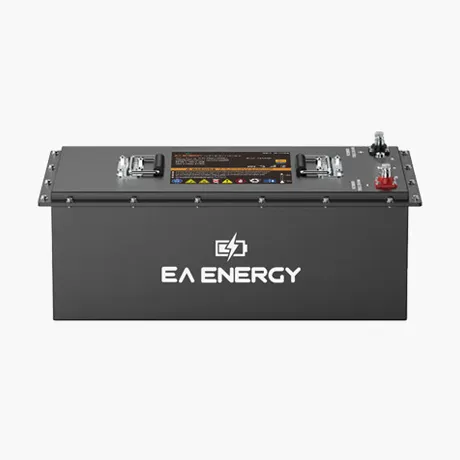
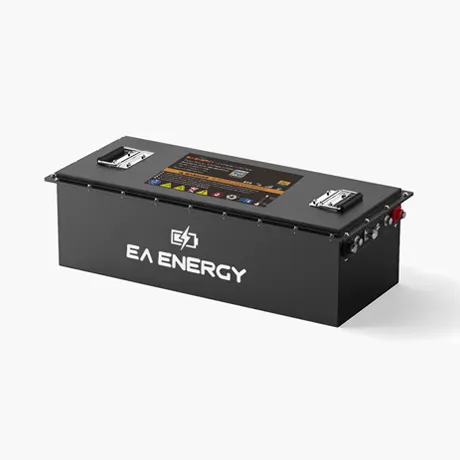
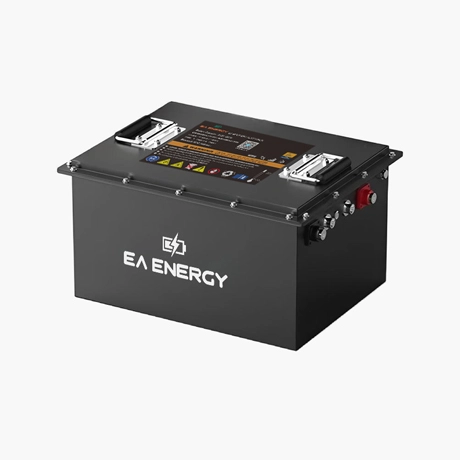
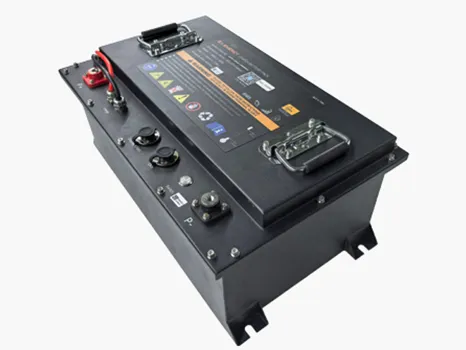
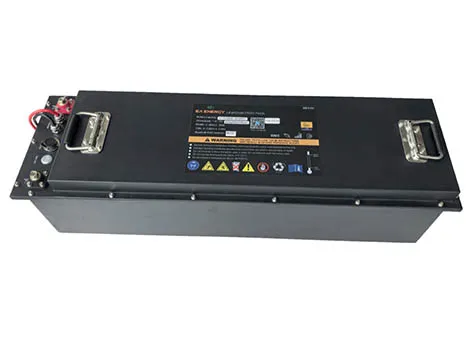
EA ENERGY introduces the 76.8V 335Ah lithium iron phosphate (LiFePO4 / LFP) battery pack
— engineered specifically for mainstream 7-seat and 14-seat sightseeing models including Wuling, LVtong (Greenway), and other leading low-speed vehicle brands. This is not a simple capacity swap; it is an OEM-grade powertrain upgrade designed around the original battery compartment geometry. No cutting, no drilling, no removal of any vehicle sheet metal. Drop it in, bolt it down, and drive 250–300 km on a single charge.
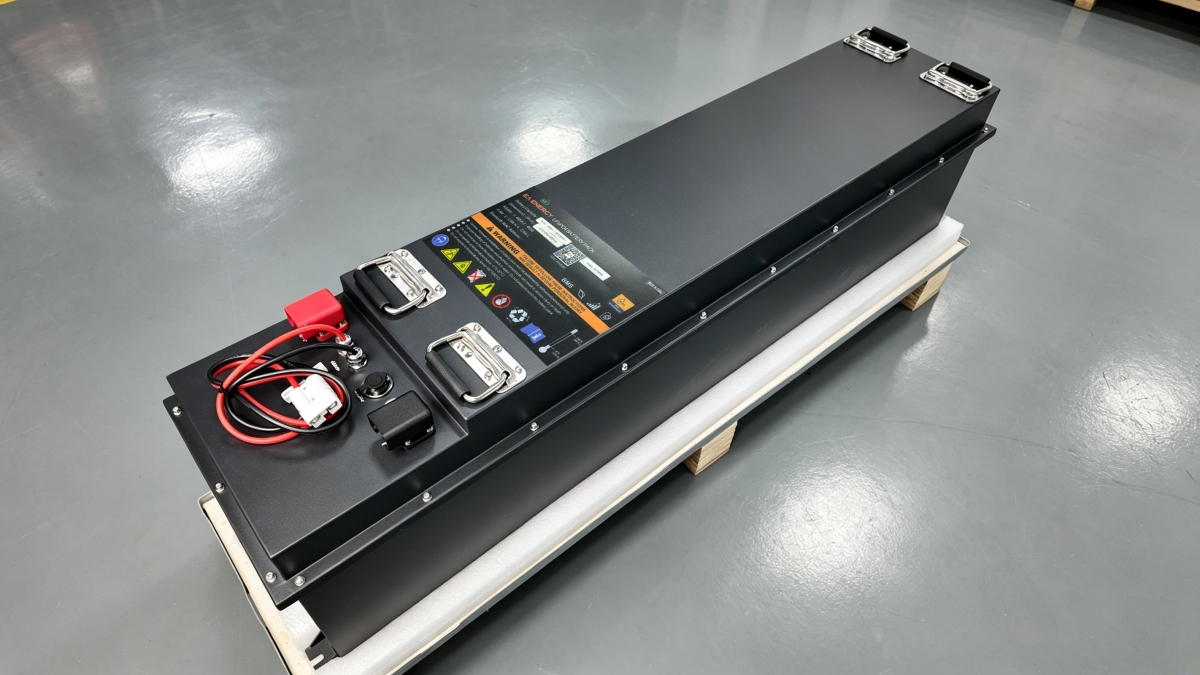
Mainstream 7-seat and 14-seat sightseeing vehicles (such as Wuling series and LVtong A-series / L-series) typically house their battery packs beneath the floor pan or under the rear passenger seats. Space is constrained by overall vehicle packaging, and factory lead-acid configurations usually consist of 6V or 12V cells wired in series to form a 72V system, with nominal capacities ranging from 200Ah to 250Ah. Total pack weight often exceeds 400 kg, and monthly watering maintenance is mandatory.
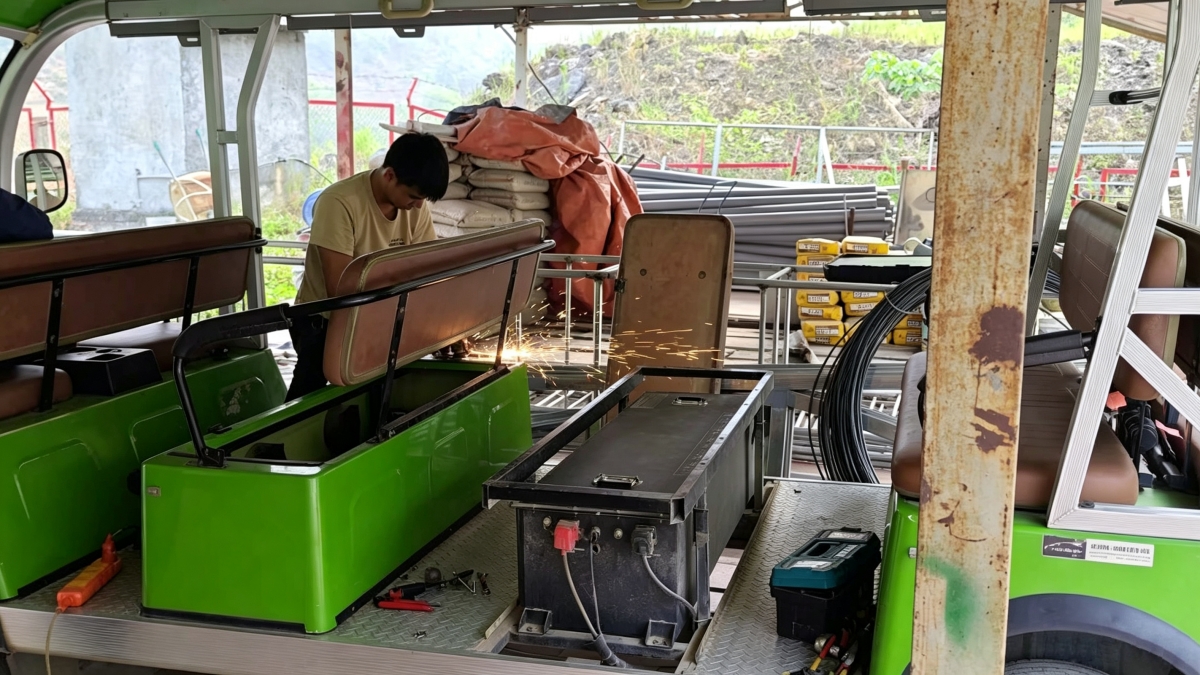
The EA ENERGY 76.8V 335Ah pack was co-developed using 3D digital mock-ups of multiple mainstream battery compartments from the earliest design phase:
Dimensional optimization: The enclosure is laid out to maximize usable volume within the compartment width, height, and longitudinal rails, maintaining safe clearances from side walls and cross-members.
Direct-fit mounting: Bottom locating holes correspond exactly to the factory anchor points. Combined with high-strength anti-vibration buffer pads, the pack reuses the original hold-down plates and bolt hardware — no removal or cutting of any body sheet metal is required.
Weight reduction: Total pack weight is approximately 160 kg, a reduction of roughly 60–70% versus equivalent lead-acid configurations. This significant mass reduction lowers energy consumption and preserves front/rear axle loads within the OEM design thresholds, ensuring braking safety and ride stability.
Electrically, factory 72V lead-acid systems exhibit a full-charge voltage of approximately 86.4V and a discharge plateau near 72V. The EA ENERGY solution employs a 24-series LFP architecture delivering a full-charge voltage of 87.6V (3.65V per cell), a nominal discharge platform of 76.8V, and a mid-discharge voltage stabilized between 75.6V and 76.8V. This naturally aligns with the operating windows of the vehicle motor controller, instrument cluster, lighting circuits, and DC/DC converter. The low-voltage protection threshold is set at 60V (2.5V per cell), covering the original undervoltage alarm trigger range. The result is a true physical-layer replacement — no additional DC/DC modules, no wiring harness modifications, and no connector adapters.
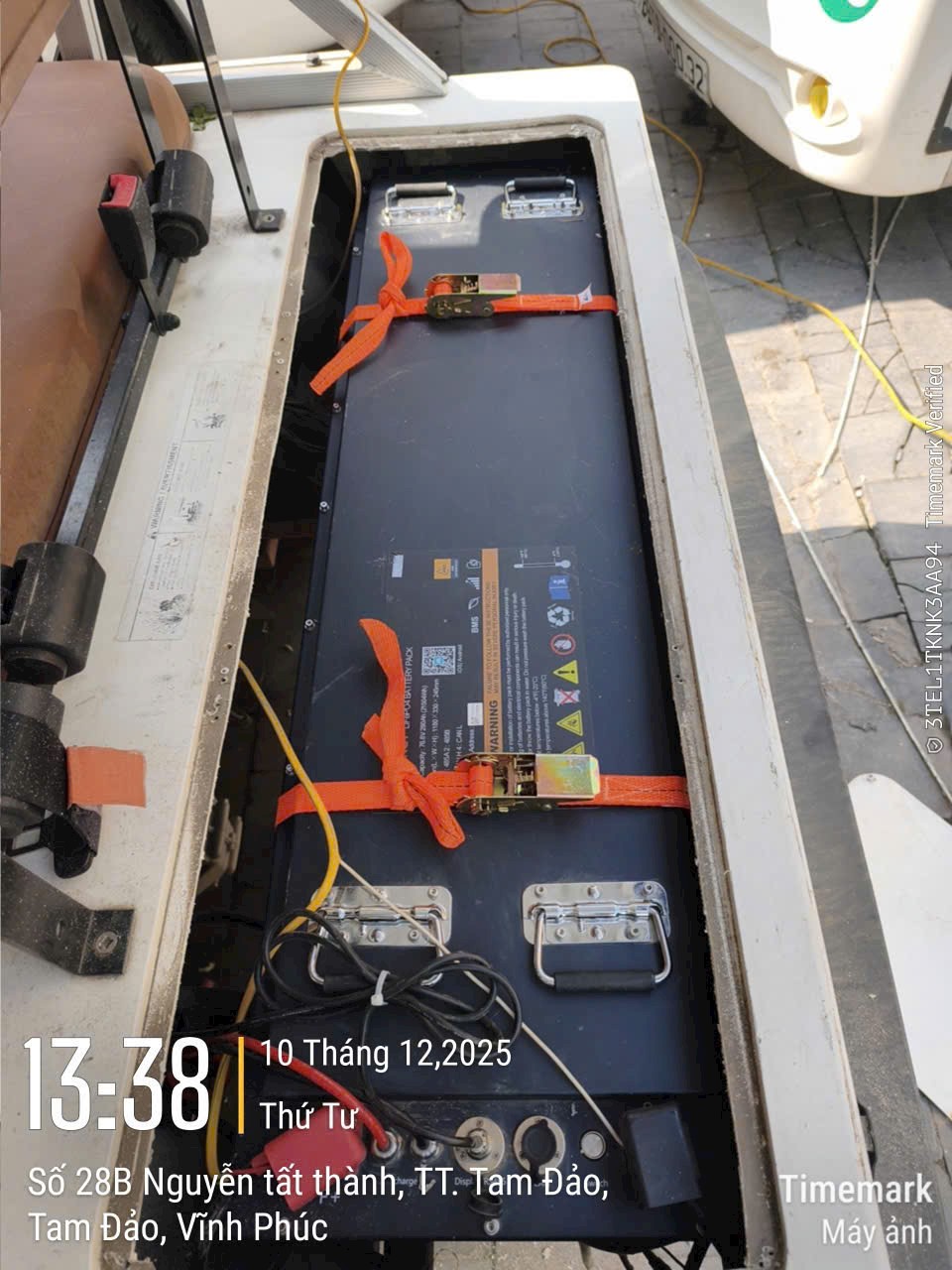
Model nomenclature: 76.8V denotes the nominal voltage platform, 335Ah the rated capacity, yielding a total pack energy of 25.728 kWh with a 24S1P (24-series, 1-parallel) topology built around large-format prismatic aluminum-shell energy-storage cells.
For real-world range estimation:
7-seat sightseeing vehicle (fully loaded, 7 passengers + luggage): energy consumption typically 8–10 kWh per 100 km → 280–320 km per charge.
14-seat sightseeing vehicle (fully loaded): energy consumption typically 10–12 kWh per 100 km → 220–280 km per charge.
This range envelope allows large cultural-tourism parks, resort shuttles, and urban community transit fleets to complete a full day of multi-shift operation on a single overnight charge — eliminating the spare-battery storage, swap logistics, and management overhead inherent to lead-acid systems.
All cells are automotive-grade A-grade cells sourced directly from tier-1 manufacturers including CATL, EVE Energy, and CALB. Every cell undergoes full screening of OCV, internal resistance, and K-value self-discharge before leaving the cell factory. Upon arrival at EA ENERGY, a secondary capacity grading and matching process is applied, controlling inter-series voltage deviation within 5 mV and internal resistance deviation within 0.1 mΩ fundamentally eliminating the "weakest link" problem in series circuits.
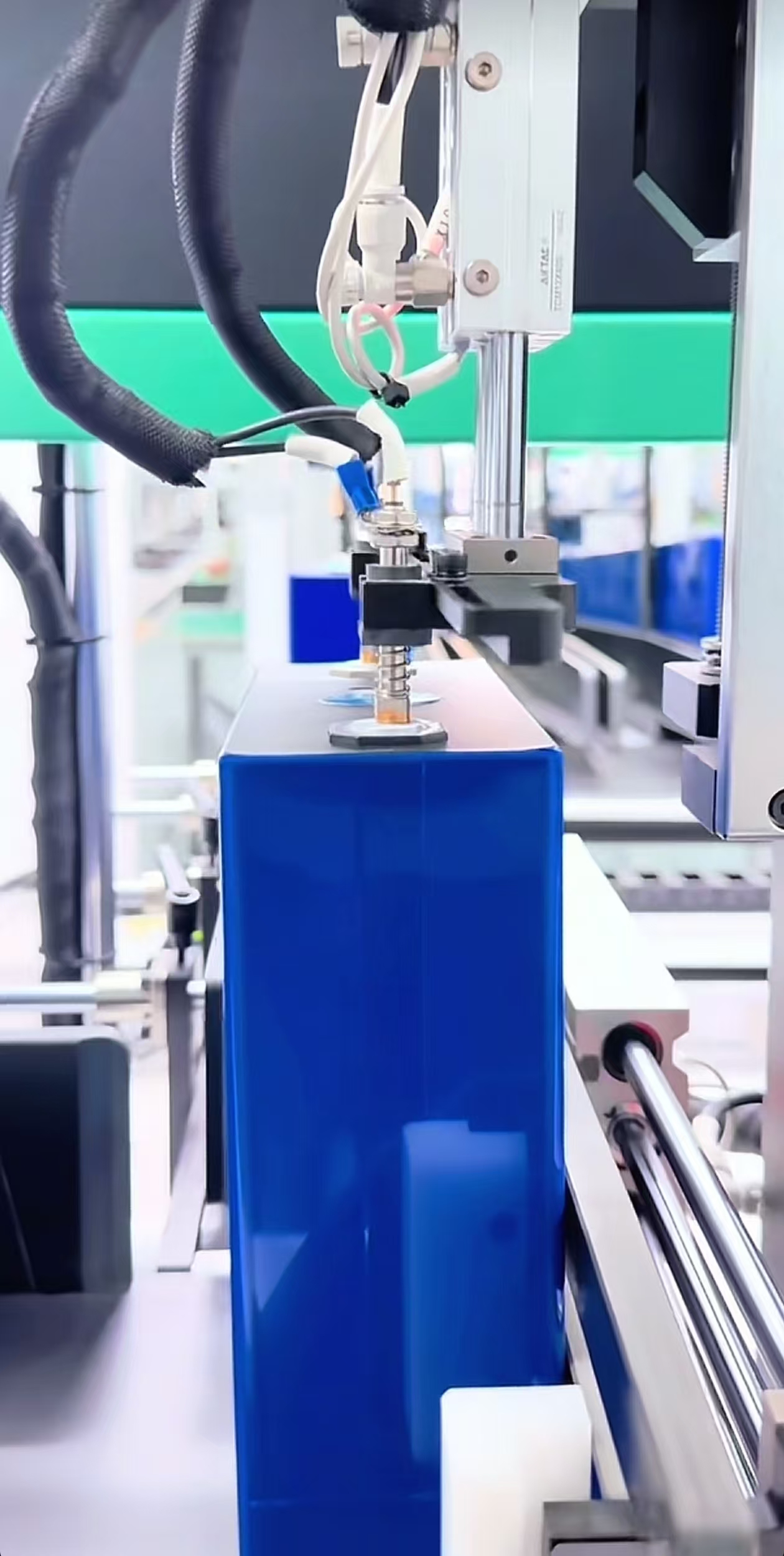
Series connections between the 24 modules use aluminum busbar laser welding, with weld penetration consistency inspected 100% by machine vision systems to eradicate the hidden risk of heat generation from false welding. The complete module assembly is wrapped in a flame-retardant insulating frame. Positive and negative terminals are led out via copper-aluminum composite busbars and connected to the BMS main board through acquisition wiring harnesses.
The battery enclosure adopts cold-rolled steel plate with electrostatic powder coating, achieving an overall protection rating of IP65
— capable of withstanding outdoor rain exposure, high-pressure washing, and high-humidity environments. Forklift slots and anti-slip buffer pads are integrated into the base for workshop handling convenience.
For operators in northern winter resorts and high-altitude low-temperature scenic areas, optional built-in silicone heating films and thermal insulation layers can preheat cells to above 5°C before enabling charging in environments as cold as -20°C. For summer high-temperature exposure, internal heat-dissipation air ducts and active temperature-control strategies prevent cell overheating and premature degradation.
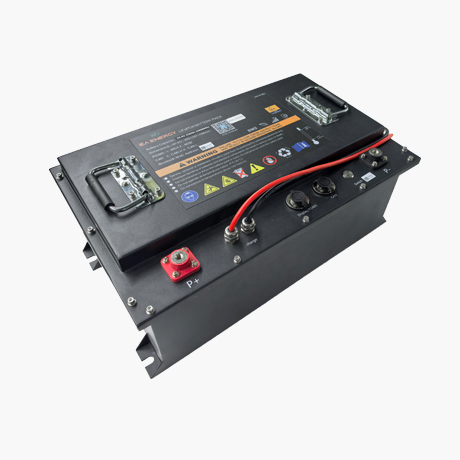
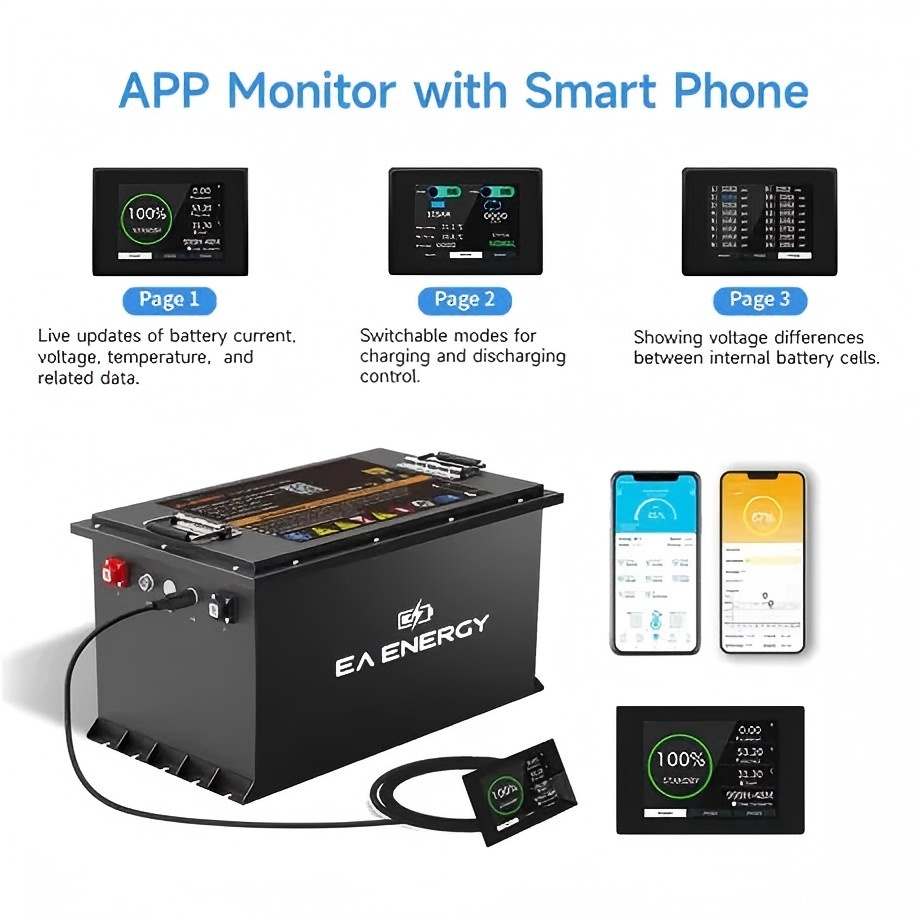
High-capacity battery packs place elevated demands on management-system precision and reliability. EA ENERGY's self-developed Battery Management System (BMS) is housed in a waterproof service compartment on the side of the pack, with external interfaces including vehicle-specific plugs, communication ports, and charger interlock signal lines.
The BMS monitors individual cell voltage, total pack voltage, charge/discharge current, and multi-point temperature in real time. State-of-charge (SOC) estimation employs a
hybrid algorithm combining ampere-hour integration with open-circuit voltage correction, achieving estimation accuracy within 5%.The balancing function uses a passive-balancing scheme: at the end of each charge cycle, series positions exhibiting excessive voltage deviation are bled through dissipative resistors at approximately 200 mA, maintaining pack consistency across the full service life.
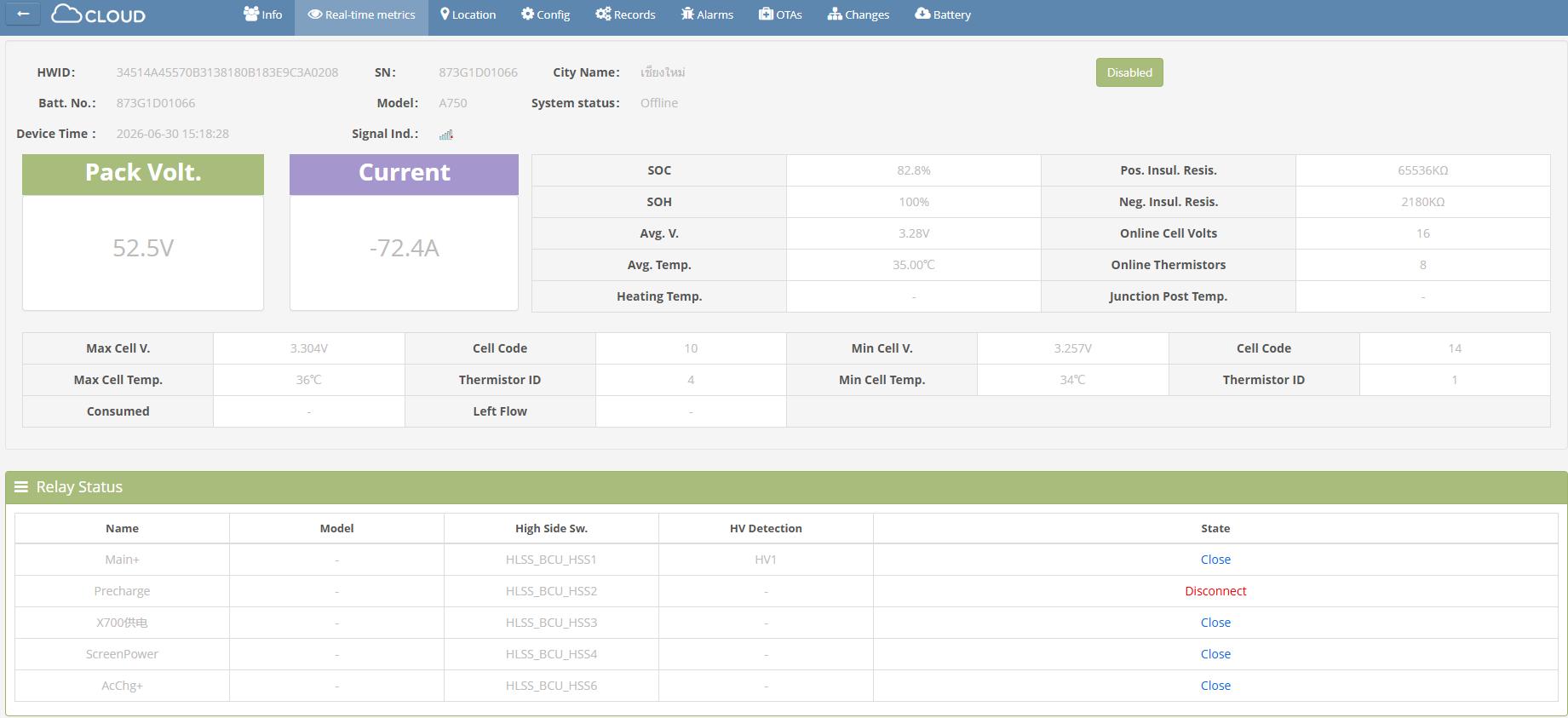
For the sightseeing vehicle's on-board electrical architecture, the BMS can output a stepped voltage signal that emulates the original lead-acid battery gauge, causing the factory battery indicator to illuminate according to its original segmented logic. For higher-end models, SOC percentage data can be transmitted via CAN bus to the on-board display.
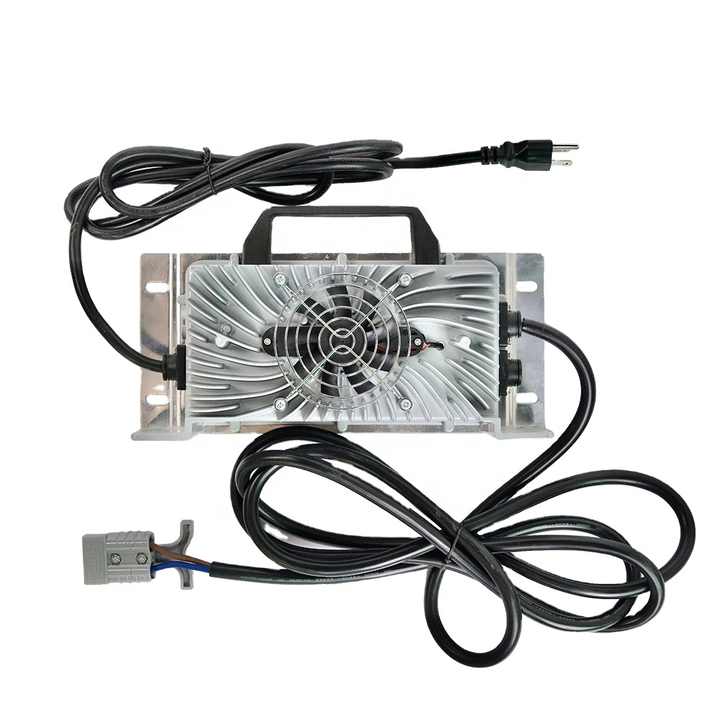
During charging, the BMS communicates with the matched AC 220V / DC 87.6V 40A intelligent charger to execute a three-stage charging profile: constant current (CC) → constant voltage (CV) → float charge. The charge termination voltage for the 24-series system is 87.6V. Upon entering the CV stage, current gradually decays to below 1A before automatic shutdown — eliminating overcharge and cell swelling risks. The discharge termination protection threshold is 2.5V per cell; any series position triggering this limit will instantaneously cut off the discharge circuit with zero delay.
The matched charger accepts single-phase 220V input, delivering approximately 3.5 kW of charging power and a full-charge time of roughly 7–8 hours
— perfectly suited to overnight off-peak electricity tariff windows. Opportunity charging during daytime operational gaps can rapidly restore significant range. For scenic areas and resorts running multi-shift schedules, the "one vehicle + one battery + opportunity fast charging" strategy eliminates the storage space and management costs of spare battery inventories.
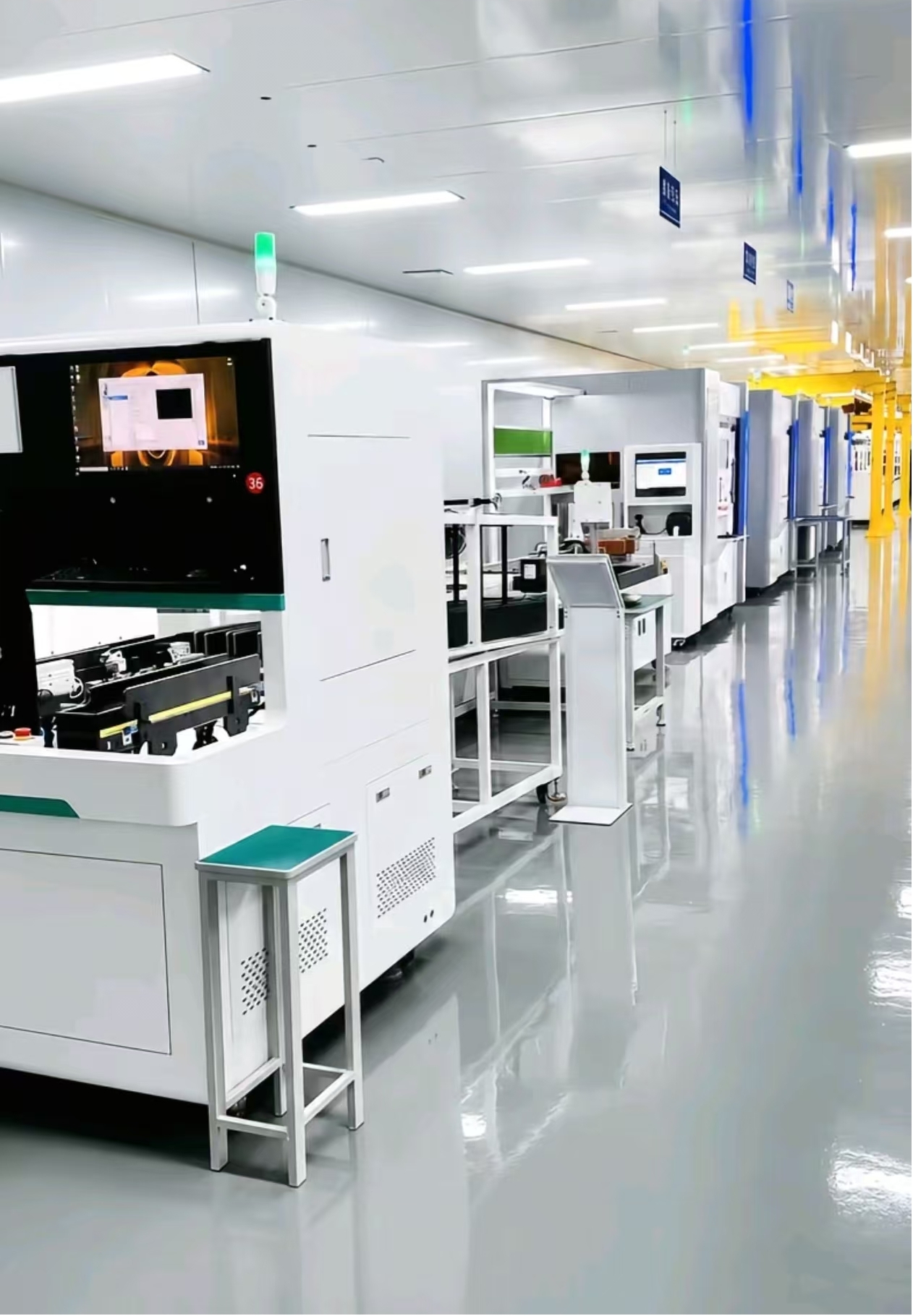
EA ENERGY's PACK assembly facility adheres to automotive-grade production control standards:
Incoming cell sorting: Cells enter automated sorting equipment to complete grouping and matching across three core parameters — capacity, internal resistance, and self-discharge. Cells within the same module must originate from the same supplier and the same production batch, with internal resistance difference strictly controlled within 0.08 mΩ.
Module assembly: CNC high-precision positioning fixtures ensure repeatability. Busbars are welded by automated equipment, followed by group-by-group DCIR testing after welding. Non-conforming modules are rejected directly from the line.
BMS production: SMT and potting of BMS circuit boards are completed in an independent electronics workshop. After programming, each board undergoes high/low-temperature aging cycle verification and waterproof testing.
Final assembly traceability: Modules, BMS, wiring harnesses, and enclosures are assembled in sequence per work instructions. Bolt torque is recorded in real time by digital display wrenches and uploaded to the MES (Manufacturing Execution System).
Finished batteries sequentially pass insulation withstand-voltage testing, IP65 spray testing, sine sweep vibration testing, high/low temperature cycling, and crush testing — simulating real-world loads such as bumpy resort roads and outdoor temperature differentials. Each battery generates an independent electronic birth certificate; users can trace the complete production chain via the product QR code.
The installation of the EA ENERGY 76.8V 335Ah pack on a sightseeing or low-speed vehicle is clear, standardized, and safe:
1. Preparation: Park the vehicle on a level work surface. Turn off the key switch and disconnect the main power isolator. The original lead-acid pack (typically >400 kg) should be removed using a forklift or small lifting aid.
2. Drop-in positioning: At roughly 120–140 kg, the new lithium pack can be manually positioned by two technicians. Align the connector side with the vehicle wiring harness exit. Positive and negative markings on the battery top cover correspond one-to-one with the original harness polarity.
3. Secure and wake: Push the main plug firmly until the locking latch clicks. Tighten the communication docking socket. Secure the bottom fixing bolts to the specified torque using a torque wrench. Short-press the BMS panel button to power on; when the battery indicator transitions from flashing to solid, self-check is complete. For first-time installations, it is recommended to wake the system via the charger: connect the charger output to the battery charge port, and the BMS will automatically close the MOSFETs upon recognizing the charge handshake signal, simultaneously illuminating the status display.
After a full charge, conduct a test drive and observe whether the on-board gauge displays continuous, non-jumping state-of-charge readings during driving and hill-climbing. If the original battery meter exhibits display jumps, fine-tuning of the BMS signal output module's voltage-divider resistor network can resolve the issue. EA ENERGY's global service teams carry dedicated matching boards capable of completing on-site commissioning within 30 minutes.
The table below presents a direct comparison between conventional lead-acid and the EA ENERGY 76.8V 335Ah LFP solution:
Comparison Dimension | Conventional Lead-Acid | EA ENERGY 76.8V 335Ah LFP |
Single charge time | 10–12 hours | 7–8 hours (overnight off-peak charging sufficient) |
Cycle life | 300–500 cycles | ≥5,000 cycles with ≥80% capacity retention |
Daily maintenance | Monthly watering, equalization charging required | Maintenance-free; monthly visual inspection of plugs and enclosure only |
Low-temperature performance | Winter range loss >30% | Optional heating; normal charge/discharge at -20°C |
Pack weight | >400 kg | ~160 kg (60–70% weight reduction) |
Acid-mist corrosion | Acid mist released during charging corrodes frames and facilities | Zero corrosion, zero leakage |
Usable energy efficiency | Coulombic efficiency ~80% | Coulombic efficiency >95% — ~15% more usable energy at equivalent nominal capacity |
At 150 km daily operation and 300 operating days per year, lead-acid packs require replacement every 1.5–2 years, whereas the LFP pack delivers a service life exceeding 10 years. The maintenance-free design eliminates dedicated maintenance personnel, distilled water procurement, and acid-mist corrosion repair. The substantial weight reduction further reduces drive energy consumption, extending per-charge range. The integrated thermal management design (low-temperature heating and high-temperature heat dissipation) ensures stable year-round output without the need to oversize capacity to compensate for cold-weather attenuation — a common and costly workaround with lead-acid systems.
For customers with existing lead-acid batteries, EA ENERGY offers a complete trade-in program:
on-site removal of old batteries with trade-in credit, simultaneous installation and commissioning of the new 76.8V 335Ah pack, and charger matching. Recycled lead-acid batteries enter a closed-loop regeneration production line, with plate-derived recycled lead flowing back into industrial battery manufacturing. This model satisfies ESG reporting requirements for global tourism enterprises, resort operators, and publicly listed cultural-tourism companies.
EA ENERGY has established a service network covering major global tourism and low-speed vehicle markets, with authorized service centers and spare parts warehouses in North America, Europe, Southeast Asia, and Oceania. Local support covers lithium battery troubleshooting, BMS diagnostics, balancing maintenance, and complete pack replacement.
For scenic areas, resorts, and tournament golf courses with seasonal peak operations, EA ENERGY offers a flexible lithium battery leasing program: billed monthly or quarterly, with chargers delivered synchronously with the battery. At contract expiration, equipment is refurbished and recovered. A lead-acid leasing option is also available, with EA ENERGY providing full managed services including regular watering, equalization charging, and capacity testing. This dual-technology flexibility allows users to avoid forced choices between technological upgrade and budget constraints — fleet power configurations can be adjusted according to passenger flow fluctuations. For example, when a tourist resort temporarily expands its shuttle fleet during peak season, lithium battery modules and charging piles can be allocated directly from the regional spare parts warehouse, with full commissioning completed within 3 working days. Equipment is returned after the peak season, billed only for actual months of use.
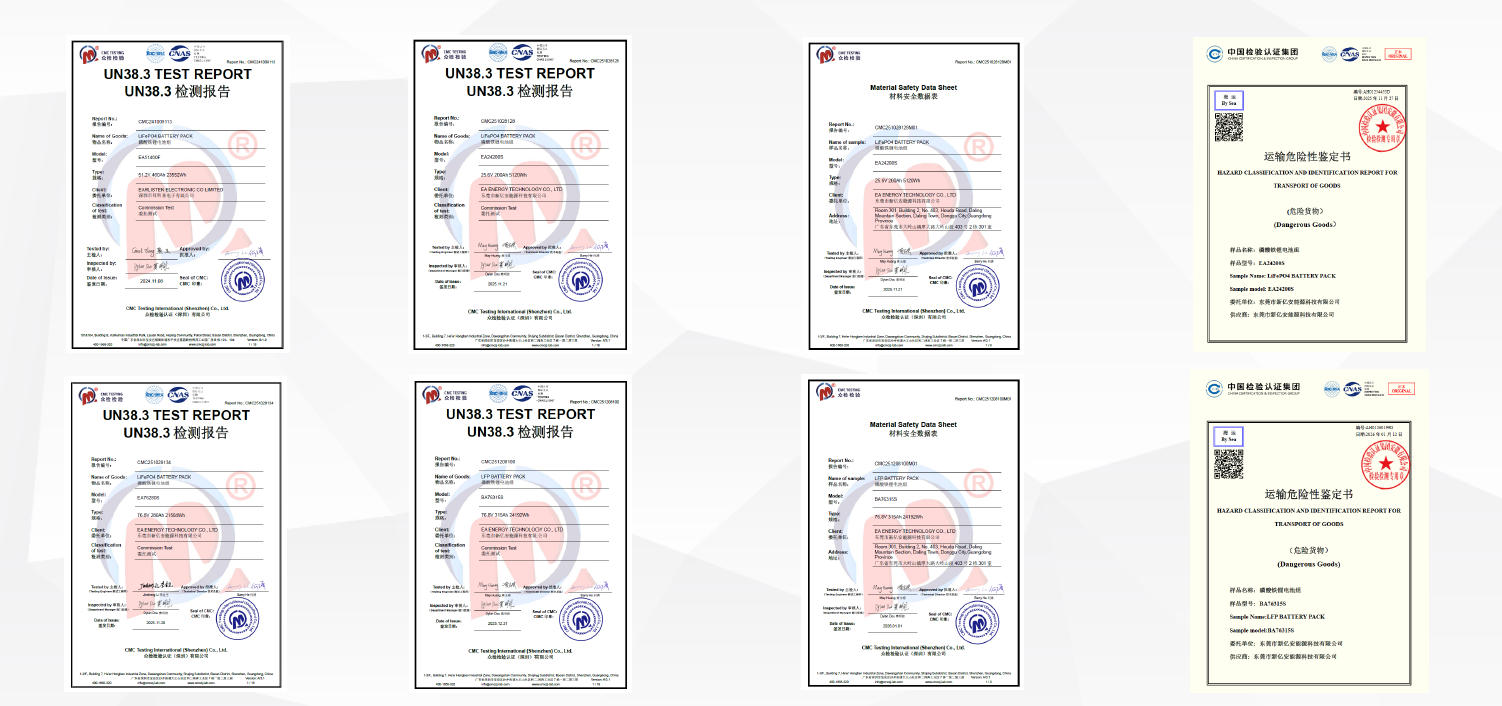
For cross-border delivery customers, every batch of 76.8V 335Ah packs ships with complete compliance documentation: UN38.3 test report, MSDS chemical safety data sheet, sea/land/air transport hazard appraisal report, dangerous goods classification appraisal report, and dangerous goods packaging certificate. CE and UL international certifications are held, enabling smooth circulation into major markets worldwide.
EA ENERGY possesses deep OEM supporting accumulation in the light industrial vehicle lithium battery sector. The independently developed BMS protocol adaptation library covers communication protocols for multiple sightseeing and low-speed vehicle brands including Wuling, LVtong, Marshell, and Eagle — enabling rapid matching with original vehicle instruments, chargers, and on-board computer systems.
Long-term experience supporting full model lineups enables EA ENERGY to deliver dedicated batteries to the standard of "out of the box as original": enclosure dimensional tolerance controlled within ±0.5 mm, terminal positions completely consistent with lead-acid predecessors, foot buffer pad hardness matched to original vehicle shock absorption parameters, and even ventilation / heat dissipation structures retained in correspondence with original vehicle vent positions. This is fundamentally OEM-grade product delivery, not an ordinary aftermarket modification part.
Beyond mainstream sightseeing models, EA ENERGY can provide original lithium battery solutions for the full spectrum of light vehicles — golf carts, resort shuttles, patrol cars, sanitation vehicles, and low-speed logistics vans — covering voltage platforms from 24V to 96V. OEM customers can customize nameplate silk-screen printing, enclosure color matching, and communication protocols. EA ENERGY's engineering team can deliver functional prototypes within 20 working days after project kickoff. ODM cooperation can extend to joint development of vehicle electrical architecture, including low-temperature auxiliary power supply strategies, dual-gun fast-charging interface reservation, fleet management data integration, and more — far beyond the scope of a simple battery supplier.
The AC 220V / DC 87.6V 40A intelligent charger matched with the 76.8V 335Ah pack features built-in temperature compensation and reverse-polarity protection, supporting both wall-mounted and floor-standing installation. The outdoor-rated version achieves IP54 protection for open-air mounting.
During charging, the cabinet display cycles real-time voltage, current, charged capacity, and fault codes. If battery temperature exceeds 45°C before charging begins, the BMS sends a delayed-start command to the charger; charging initiates only after natural or forced cooling brings the pack below the safe threshold. This thermal-management coordination mechanism effectively reduces cell thermal runaway risk — particularly valuable for summer outdoor high-temperature scenarios.
In daily use, operators need only monitor the battery gauge to avoid deep discharge, and check plug tightness and enclosure cleanliness once per month — no additional maintenance is required.
During the warranty period, EA ENERGY provides on-site equalization maintenance every six months, reading the BMS internal operation log to evaluate the evolution trend of inter-series voltage differences. Early warnings are issued and backward cells are replaced proactively before users perceive any degradation. This proactive O&M model intercepts faults before they impact operations — a core differentiator between OEM-grade service and ordinary battery sales.
For enterprise energy-efficiency metering and fleet management requirements, EA ENERGY can open the BMS data interface to directly connect with park energy management systems and fleet dispatching platforms. Each charge/discharge cycle is accurately logged for energy consumption, driving mileage, and carbon emission reduction — quantifying green transformation results and satisfying annual reporting needs for zero-carbon scenic areas, high-end resorts, and listed cultural-tourism enterprises.
EA ENERGY maintains production capacity for both lithium and lead-acid technology routes, delivering service flexibility that exceeds single-technology suppliers. Customers may adopt a mixed configuration — some vehicles upgraded to lithium, others retaining lead-acid — deployed differentially according to usage scenario, operating intensity, and driver habits. Lead-acid daily maintenance can be outsourced to EA ENERGY, saving enterprises the cost of building in-house maintenance teams. Lithium vehicles can enjoy all-inclusive service through lease contracts.
The global service network adopts a grid layout, with direct service points and authorized partners in each core region to ensure rapid local response. Should a battery fault occur during the warranty period, the regional service center can deliver a spare battery within 4 hours. The faulty pack is returned to the headquarters engineering department for teardown analysis, with a root cause analysis report delivered to the customer within two weeks. This grid-guarantee system translates the certainty of battery services from the solution design document to the daily operational schedule.
The transition from lead-acid to lithium for sightseeing and low-speed vehicles is fundamentally a secondary optimization of labor costs, time efficiency, and asset cycles for resort, park, and community transit operators.
The EA ENERGY 76.8V 335Ah LFP battery pack is far more than a model code. It carries a complete capability set encompassing precision dimensional meshing, seamless electrical adaptation, high-capacity long-range durability, and globally compliant delivery. With its lightweight design (~120–140 kg) and original vehicle-level size adaptation, the upgrade process is efficient and modification-free. Through an automotive-grade cell supply chain, self-developed BMS technology, engineering accumulation from joint commissioning with Wuling and LVtong platforms, and a global service network, EA ENERGY has created a reliable powertrain solution for this essential class of commercial vehicle.
For sightseeing fleet operators, cultural-tourism enterprises, and park management teams evaluating energy solution upgrades, the details of this solution are complete enough that there is no need to weigh repeatedly between modification adaptation and compromised use. The next step is simply to conduct an actual vehicle range and hill-climbing test comparison — then convert the benefit difference calculated on paper into real efficiency and cost optimization in the operational report.
EA ENERGY specializes in lithium iron phosphate (LiFePO4) battery PACK integration and industrial vehicle power solutions, providing OEM-grade powertrain upgrades for golf, sightseeing, low-speed transportation, and specialty vehicle applications worldwide. From cell selection and BMS development to structural adaptation and global delivery, we are committed to making every power transition a positive increment in operational value.
Contact EA ENERGY today to schedule a fleet assessment and demonstration drive.
 English
  Lithium Golf Cart Battery
  Low Speed Vehicle Battery
  Lithium Forklift Battery
  Aerial Work Platform Battery
  Floor Cleaning Machine Battery
  Lithium Marine Battery
  Residential ESS
  Commercial & Industrial ESS
  Truck Electrical System
  RV Electrical System