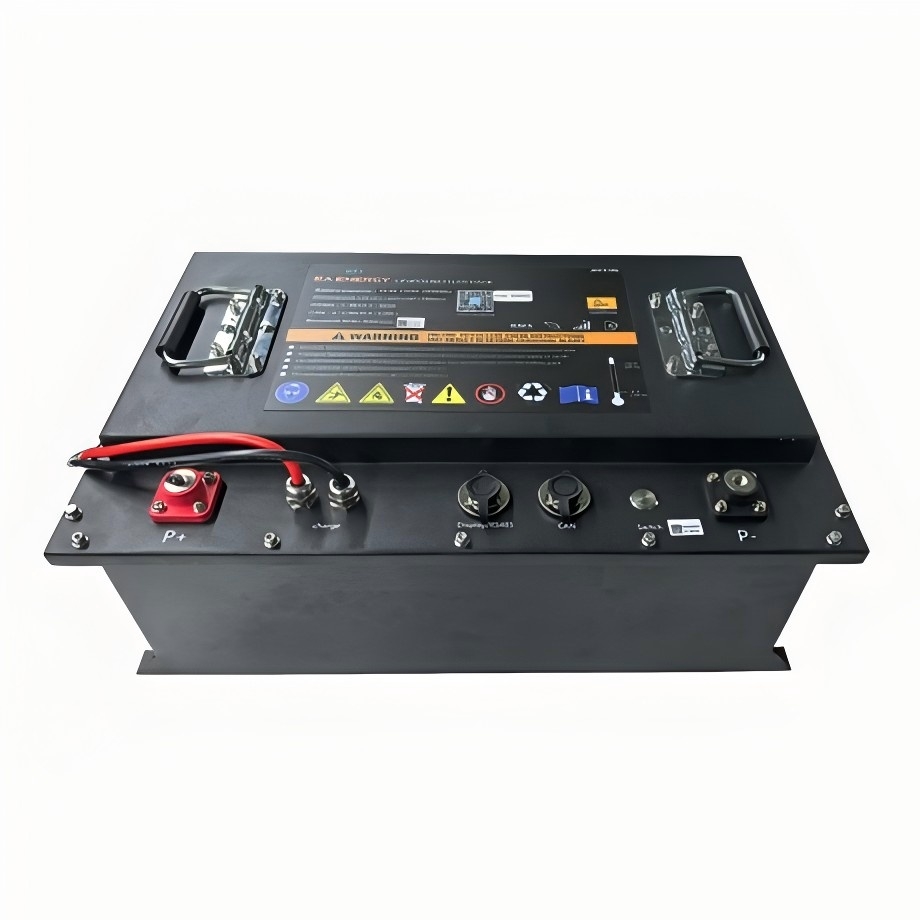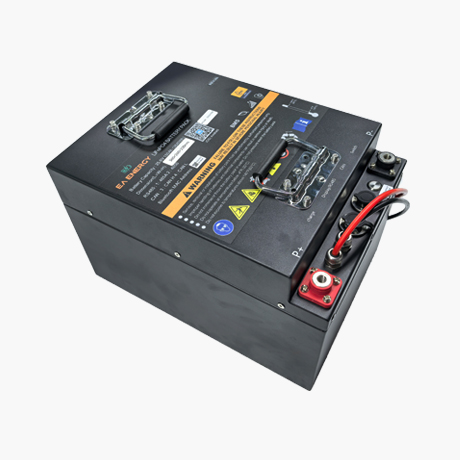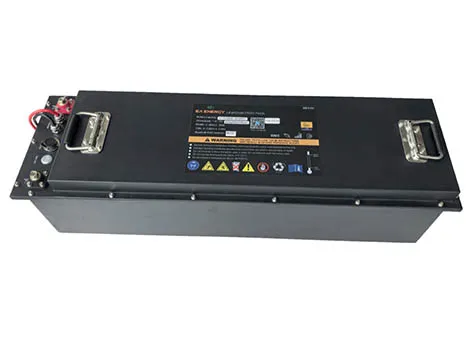
For years, fleet operators and personal golf cart owners accepted the structural limitations of traditional lead-acid batteries. Heavy weight, constant watering maintenance, and terminal corrosion were simply considered part of daily operations. However, the global energy transition has accelerated a sweeping shift toward lithium iron phosphate (LiFePO4) chemistry.
When upgrading a fleet or a personal low-speed electric vehicle (LSV), the most critical engineering decision centers on voltage configuration. While 36-volt systems represent the legacy standard and 72-volt configurations offer niche high-power capabilities, the 48 volt lithium golf cart batteries have rapidly emerged as the definitive industry sweet spot. Choosing a 48 volt golf cart lithium battery balances system efficiency, mechanical safety, and cost optimization perfectly.
To understand why a 48 volt golf cart lithium battery yields superior overall performance, it is helpful to look at the basic physics of motive power. In an electric drivetrain, power is the product of voltage and current. When you increase the system voltage from 36V to 48V or 72V, you can deliver identical or greater wattage to the motor while drawing less amperage. Lower current draw is highly beneficial for electrical systems because it reduces resistive heating throughout the controller, wiring harness, and motor.
· 36-Volt Systems: Common in older legacy golf carts (such as early E-Z-GO, Yamaha G1, or Club Car DS models). While functional for short-distance runs, they experience performance drops when faced with heavy loads or inclines compared to higher voltage setups.
· 48-Volt Systems: The modern engineering standard for residential, commercial, and resort transportation. They provide sustained energy density, handle moderate to steep inclines without performance degradation, and offer a balanced operating system.
· 72-Volt Systems: High-voltage configurations designed specifically for tourist resorts, hotels, large estates, and heavy-duty utility demands where consistent peak power over long daily operations is required.
Upgrading an aging 36V fleet to lithium certainly improves performance, but stepping up the entire system architecture to 48 volt lithium golf cart batteries provides a complete transformation. Traditional lead-acid batteries suffer from a severe voltage drop curve; as the state of charge drops below 50%, the vehicle experiences a noticeable loss in top-end speed and torque, often making it feel like a tired mule on the back nine.
Transitioning to an EA ENERGY premium lithium platform completely changes this dynamic. Lithium-ion chemistry delivers a remarkably flat discharge curve, ensuring consistent power and effortless acceleration from 100% down to 1% state of charge.
Furthermore, upgrading from 36V to 48V scales up the mechanical efficiency of your cart. Technicians executing a drop-in replacement with a modern 48V pack can bypass the typical speed limitations of older configurations, enabling utility and patrol vehicles to navigate demanding environments efficiently. EA ENERGY's 36V solutions reduce vehicle weight by up to 70%, establishing a baseline of efficiency that the 48V system builds upon with increased capacity options.
On the other end of the engineering spectrum lies the 72V system. It is tempting to assume that higher voltage always translates to a better consumer experience, but 72V configurations are often over-engineered for standard golf course operations, residential communities, and neighborhood routes.
An EA ENERGY 72V LiFePO4 platform delivers a stable 76.8V voltage and 100-200Ah capacity. This is an incredible power upgrade designed specifically for heavy-use environments like large hotels, expansive estates, and commercial tourist resorts. It supports a 4-6 hour fast charge and cuts cart weight by 50%.
However, for standard golf applications and daily driving, the 48 volt golf cart lithium battery represents the ideal middle ground. Engineered with a stable 51.2V voltage and a broader 100-230Ah capacity range, the 48V system supplies more than enough torque to breeze up steep hills with a full payload of passengers and gear. It also cuts cart weight by 50% and features a 5-8 hour charging window. By choosing the 48V tier, fleet managers get exact performance scaling without investing in unnecessary high-voltage powertrain modifications.
To visualize how these voltage tiers perform across verified data benchmarks, evaluate the standardized metrics below.
Performance Metric | EA ENERGY 36V lithium golf cart battery | EA ENERGY 48V lithium golf cart battery | EA ENERGY 72V lithium golf cart battery |
Nominal Voltage | 36V | 51.2V | 76.8V |
Capacity Options | Standard Fleet Capacities | 100Ah to 230Ah | 100Ah to 200Ah |
Cycle Life (vs. Lead-Acid) | 10x Longer Life | 4,000+ Cycles (10x Longer) | 4,000+ Cycles (10x Longer) |
Weight Reduction | Up to 70% Lighter | 50% Lighter | 50% Lighter |
Charging Window | Rapid Charging | 5 to 8 Hours (Fast Charge) | 4 to 6 Hours (Fast Charge) |
Factory Warranty | Reliable Long-term Support | 5-Year Warranty | 5-Year Warranty |
Primary Applications | Fleet Modernization / 36V Upgrades | Golf Courses / Extended Gameplay | Resorts, Hotels, Large Estates |
When managing light electric vehicle fleets across corporate campuses, luxury resorts, or golf courses, the real victory of lithium localization lies in reducing the Total Cost of Ownership (TCO). Transitioning to EA ENERGY’s 48 volt lithium golf cart batteries eliminates all traditional battery maintenance tasks. There is no water level to replenish, no acid damage to clean, and no seasonal equalizing charges to schedule.
From an environmental and fiscal standpoint, the performance advantages remain highly compelling:
· Weight Dynamics: Reducing a golf cart's battery weight by 50% cuts down on the mechanical wear and tear inflicted on the vehicle’s suspension, brakes, and tires while minimizing turf compaction on pristine fairways.
· Extended Range: High energy density ensures extensive daily mileage. EA ENERGY's technology maintains high efficiency throughout the entire discharge cycle, achieving 15+ miles even at low capacity, ensuring your cart never strands passengers mid-route.
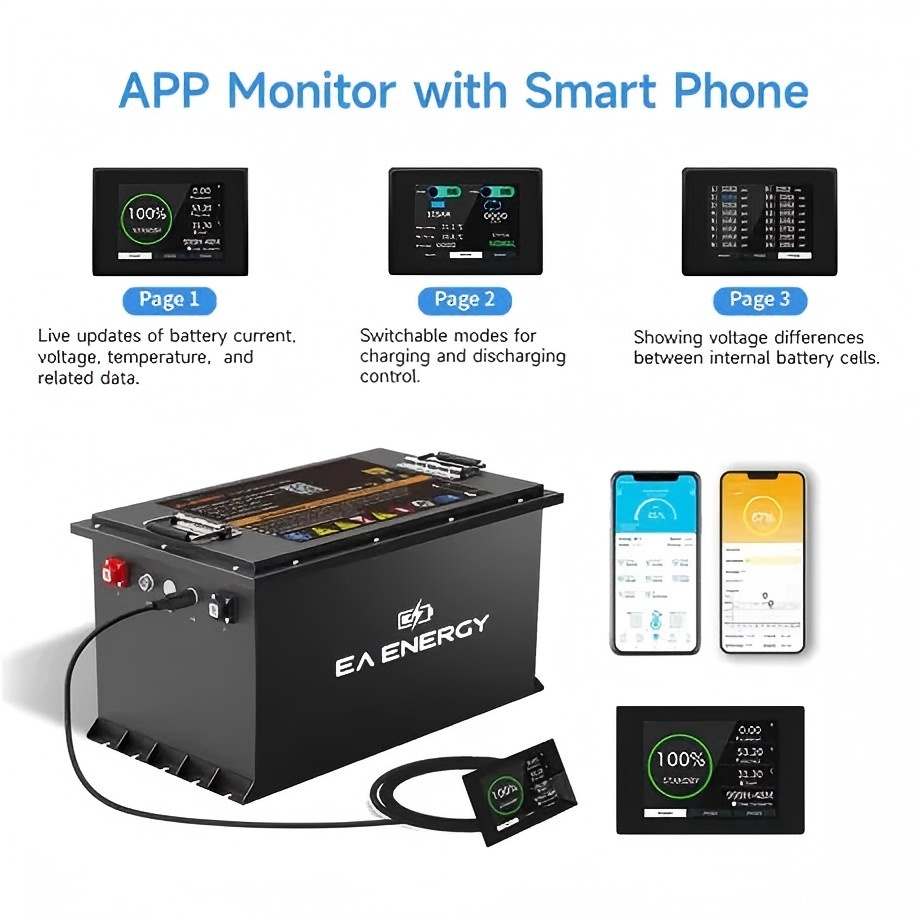
· Smart Safety Protocols: High-quality lithium packs come integrated with an industrial-grade Battery Management System (BMS). This system tracks real-time cell balancing, voltage fluctuation, and temperature metrics. This data can be viewed instantly via a professional LCD diagnostic display, completely mitigating the risk of unexpected over-discharge or field failures.
Transitioning to advanced lithium solutions is fundamentally a sustainability initiative. EA ENERGY combines over a decade of technical innovation with a deep responsibility toward zero-carbon ecosystems. Because these advanced LiFePO4 battery architectures provide a service life that outlasts traditional lead-acid options by 10x, they dramatically reduce the long-term volume of industrial manufacturing waste.
Modern commercial operators recognize that green technology is most effective when paired with efficient, zero-maintenance machinery. To discover how clean energy technology accelerates the global energy transition toward an efficient, low-carbon future, fleet managers can explore high-performance upgrades directly through the EA ENERGY Homepage. Transitioning your logistics to a reliable lithium framework ensures your brand operations align with modern environmental benchmarks while reducing long-term operational expenses.
When evaluating the long-term efficiency, safety, and financial returns of low-speed electric vehicles, the 48 volt lithium golf cart batteries deliver the most balanced performance curve on the market today. While a 36V layout is best suited for legacy fleet modernization and a 72V system provides specialized high-voltage power for large resorts and hotels, the 48V tier provides the perfect universal upgrade.
By integrating consistent energy delivery, a 50% reduction in vehicle weight, zero daily maintenance, and a robust design life of over 4,000 cycles backed by a 5-year warranty, choosing a premium 48 volt golf cart lithium battery from EA ENERGY ensures your cart runs faster, lasts longer, and optimizes your operational expenses.
Yes, but it requires upgrading a few key drivetrain components. You will need a motor controller and a solenoid rated for 48V operations, along with a compatible battery charger. For a seamless experience, EA ENERGY provides dedicated solutions for fleet modernization across older models like the Yamaha G1, Club Car DS, or E-Z-GO.
The variance comes down to the internal cell configuration of the LiFePO4 chemistry. A standard lithium iron phosphate cell has a nominal voltage of 3.2V. Connecting 16 cells in a series circuit results in a nominal system voltage of 51.2V. This stable 51.2V architecture is exactly what EA ENERGY uses to deliver consistent voltage and smooth acceleration.
The EA ENERGY 48V LiFePO4 Golf Cart Battery is engineered with a wide capacity range of 100Ah to 230Ah. This allows course operators and personal users to choose the exact capacity they need, whether they are looking for light performance during short practice sessions or massive runtime for extended gameplay.
Yes, it is completely safe and highly efficient. Unlike legacy batteries, LiFePO4 chemistry exhibits no memory effect. You can safely plug the cart into a charger during short breaks or lunch hours without degrading the cells, allowing fleet operators to maximize daily turnover and minimize downtime.
Every premium pack is equipped with an industrial-grade Battery Management System (BMS) paired with a professional LCD diagnostic display. This system monitors real-time battery health, voltage, and State of Charge (SoC), effectively preventing over-discharge, overcharging, and overheating.
The EA ENERGY 48V lithium battery features a fast charging window of 5-8 hours. The 72V lithium battery, designed for heavier resort and estate operations, features a fast charging window of 4-6 hours. Both systems radically cut down the waiting time compared to traditional lead-acid options.
 English
  Lithium Golf Cart Battery
  Low Speed Vehicle Battery
  Lithium Forklift Battery
  Aerial Work Platform Battery
  Floor Cleaning Machine Battery
  Lithium Marine Battery
  Residential ESS
  Commercial & Industrial ESS
  Truck Electrical System
  RV Electrical System