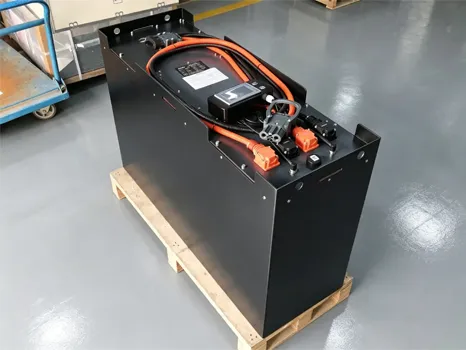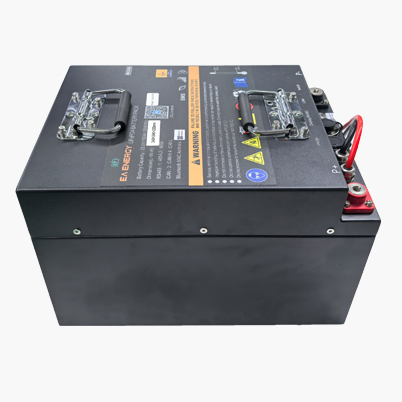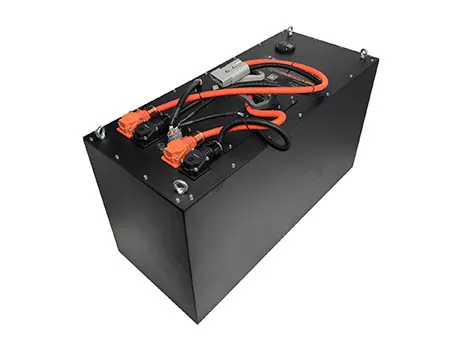
For fleet operators managing Class 8 commercial vehicles, a truck is not just a mode of transportation—it is a mobile business asset, a driver's home, and a high-stakes logistics node. While general transport discussions often lump all commercial vehicles together, a long-haul over-the-road (OTR) setup operates under a completely different set of physical and economic strains than a regional delivery box truck.
Traditional lead-acid and AGM chemistry setups have reached their absolute physical limits in the heavy-duty sector. To keep these multi-ton rigs operating efficiently, logistics companies are turning to advanced, purpose-built energy storage systems. Investing in a high-capacity lithium battery for semi truck fleets is no longer a futuristic upgrade; it is a critical strategy to keep heavy-duty assets moving profitably.
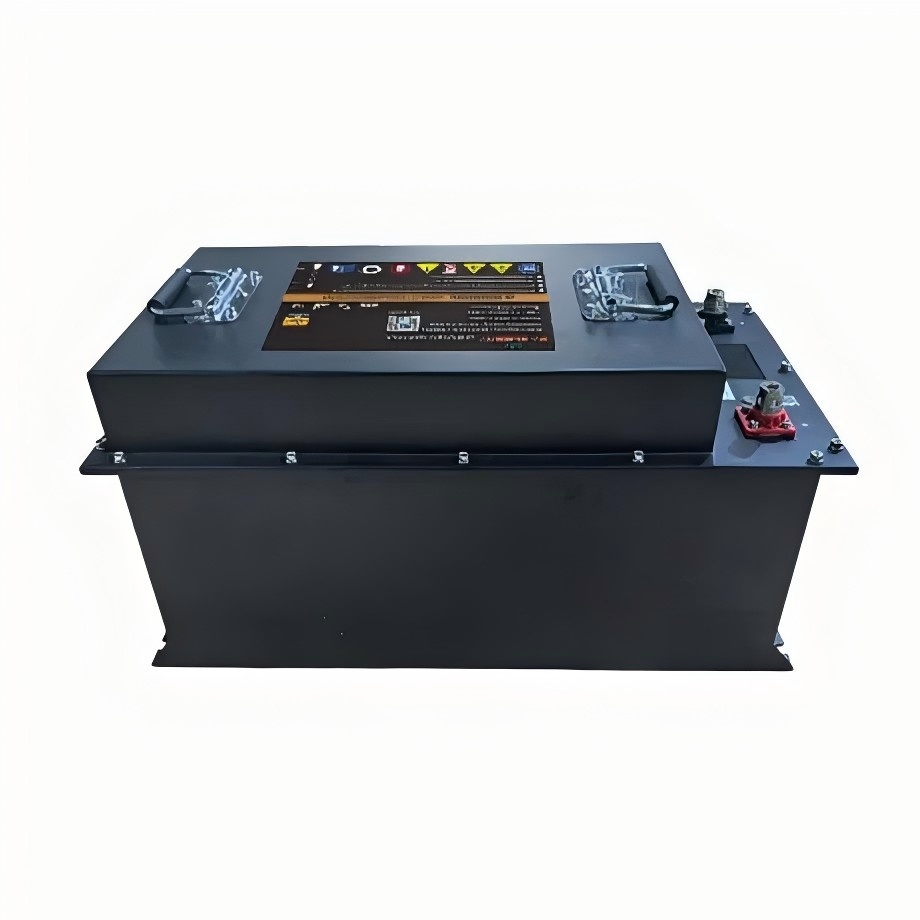
Long-haul OTR shipping forces a battery system to act as a miniature utility grid. Drivers routinely live out of their sleeper berths for days or weeks at a time, turning the cab into a high-draw residential space. When the truck is parked for mandatory rest breaks, the battery bank must independently power an array of lifestyle hardware, often referred to as hotel loads.
These hotel loads include premium parking air conditioning units, heavy-duty onboard refrigerators, high-wattage microwaves, inverters, and personal electronics. Traditional batteries experience massive voltage sags under these combined loads, rapidly draining to empty and leaving the driver stranded. Deploying dedicated lithium semi truck batteries solves this issue by offering a deep depth of discharge. A premium lithium setup easily sustains continuous, high-current auxiliary power for over 20 hours without requiring the primary engine to idle, protecting both driver comfort and fleet fuel reserves.
The mechanical power needed to fire up a Class 8 engine is staggering. Massive 13-liter and 15-liter powerplants, such as a Cummins X15 or a Detroit DD15, operate with extremely high compression ratios. Turning over these giant blocks of cold steel requires an immense, immediate wave of electrical current, especially during early morning starts in freezing climates.
Standard commercial starting batteries must deliver a quick burst of power, but their voltage drops sharply under extreme loads. If the voltage drops below 11.8V during the starting sequence, the semi truck's electronic control units (ECUs) may throw error codes or refuse to initiate ignition entirely. A specialized lithium battery for semi truck use maintains a stable output above 13V even under massive cranking loads. This stable power profile delivers quick, confident ignition to heavy diesel starters while protecting sensitive engine computers from harmful voltage sags.
An 18-wheeler chassis is an incredibly harsh environment for electrical components. Positioned directly over the frame rails near the fifth wheel, a semi truck battery box is subjected to continuous, punishing multi-axis road shock and heavy chassis vibration. Over thousands of highway miles, this relentless shaking causes catastrophic internal damage to traditional lead-acid batteries.
Inside a standard battery, heavy vibration fractures the internal lead plates and shakes the active material loose from its grids, causing sudden internal short circuits and premature failure. High-grade lithium semi truck batteries protect against this mechanical wear. Built using stable Lithium Iron Phosphate (LiFePO4) chemistry, the cells are secured within reinforced internal framing and interconnected with solid, laser-welded busbars. This rugged solid-state design absorbs severe road shock easily, eliminating the primary physical cause of roadside battery failure.
In the logistics industry, payload capacity equals revenue. Every pound of deadweight built into the truck's equipment is a pound of profitable freight that cannot legally be carried under strict Department of Transportation (DOT) gross vehicle weight ratings, which strictly cap Class 8 rigs at 80,000 lbs.
Traditional heavy-duty fleet configurations require an array of four heavy Group 31 AGM batteries to handle starting and accessory loads, adding roughly 260 to 280 lbs of non-revenue weight to the vehicle. Because lithium energy density is far superior, a streamlined lithium truck battery system cuts that physical weight load by more than half. Swapping out a heavy lead-acid pack for a lighter lithium system instantly carves out 150 to 180 lbs of deadweight per truck. For high-volume carriers, this weight reduction transforms directly into added freight capacity, generating more revenue on every single haul.
One of the greatest headaches for fleet maintenance directors is managing multi-battery parallel banks. Because semi trucks require substantial power, fleets typically connect four 12V batteries together in a single circuit. In a conventional lead-acid setup, this configuration creates a dangerous vulnerability known to mechanics as the domino effect.
If a single cell inside one lead-acid battery develops a defect or short circuit, its internal resistance drops. The remaining three healthy batteries will continuously dump current into the failing unit in an attempt to balance the voltage. This action rapidly drains the entire bank, cooks the healthy cells, and ruins all four batteries simultaneously. Modern lithium semi truck batteries eliminate this entire risk profile through an integrated, intelligent Battery Management System (BMS) built into every unit. The BMS continuously monitors every cell group; if an anomaly or fault is detected, it instantly isolates that specific battery from the circuit, preventing a single failure from disabling the entire truck.

When evaluating heavy-duty hardware upgrades, professional buyers must analyze the complete capital expenditure (CapEx) against real operational expenditure (OpEx) savings. While the initial cost of advanced lithium modules is higher than basic flooded batteries, a detailed financial audit across high-mileage logistics routes reveals an incredibly swift return on investment.
By switching to premium power storage, commercial fleets capture savings across three separate operational areas: direct fuel reductions from zero-idle rest periods, the elimination of recurring battery replacement costs, and a drop in emergency roadside towing bills. Over a standard tractor utilization cycle, these combined savings stack up rapidly, allowing the upgrade to pay for itself completely within the first year of deployment.
Critical Fleet Operational Metric | Conventional Class 8 AGM Bank | Advanced Semi-Truck Lithium Bank |
Deep Discharge Usable Energy | 50% max before degradation | 85% to 95% safe operational drain |
Total Charge Cycle Durability | 300 to 500 cycles (1-2 Year Life) | 3,000 to 5,000 cycles (8-10 Year Life) |
Total Weight (4-Battery Setup) | ~260 lbs to 280 lbs | ~100 lbs to 120 lbs (Gains Cargo Capacity) |
Internal Safety Protections | None (Vulnerable to thermal shorts) | Built-in Smart BMS & Auto-Cell Isolation |
Cold Weather Charge Acceptance | Extremely slow in sub-zero temps | Integrated cell-heating system |
The unique, punishing operational reality of a Class 8 vehicle requires an equally robust energy storage solution. From starting massive 15-liter diesel engines in sub-zero cold to providing reliable, multi-hour power for driver hotel loads without wasting expensive fuel, a dedicated lithium battery for semi truck use outclasses older lead-acid designs on every metric.
Investing in high-durability infrastructure from commercial energy experts like EA ENERGY allows logistics operators to eliminate unexpected road downtime, insulate their business from strict anti-idling fines, and boost payload profit margins. Upgrading your heavy-duty vehicles to a specialized lithium infrastructure is a proven, high-return business decision that keeps your fleet modern, compliant, and highly productive over the long haul.
Large 15-liter diesel engines feature high compression ratios that require steady, high-amperage cranking current. Standard lithium batteries designed for smaller vehicles often suffer internal voltage drops under heavy starter-motor draws, whereas specialized semi-truck lithium units are built to maintain voltage well above 13V during heavy cranking.
Unlike traditional lead-acid alternatives that feature fragile internal lead plates suspended in liquid or gel, high-quality semi truck lithium systems utilize solid-state cell construction locked inside reinforced, shock-absorbent internal framing with heavy busbar connections to withstand relentless highway vibration.
No. Lithium and AGM chemistries operate with entirely different internal resistances, nominal voltages, and charging needs. Connecting them together causes severe imbalances, forcing the batteries to fight each other, damaging the AGM cells, and causing the lithium BMS to shut down.
A standard four-battery AGM bank weighs between 260 and 280 lbs. A comparable lithium energy setup providing identical or greater usable runtime weighs only about 100 to 120 lbs. This saves up to 180 lbs of deadweight, allowing the truck to carry more legal freight.
If a lithium cell develops an internal fault, its smart Battery Management System (BMS) immediately recognizes the issue and opens an internal digital switch. This isolates the damaged unit from the rest of the parallel circuit, stopping the healthy batteries from draining into it and protecting the truck's electrical system.
No. Commercial lithium batteries designed for fleet upgrades are manufactured to match the standard industry Group 31 form factor. They feature identical exterior dimensions, terminal positioning, and mounting options, allowing a direct drop-in fit using your factory cables and brackets.
 English
  Lithium Golf Cart Battery
  Low Speed Vehicle Battery
  Lithium Forklift Battery
  Aerial Work Platform Battery
  Floor Cleaning Machine Battery
  Lithium Marine Battery
  Residential ESS
  Commercial & Industrial ESS
  Truck Electrical System
  RV Electrical System