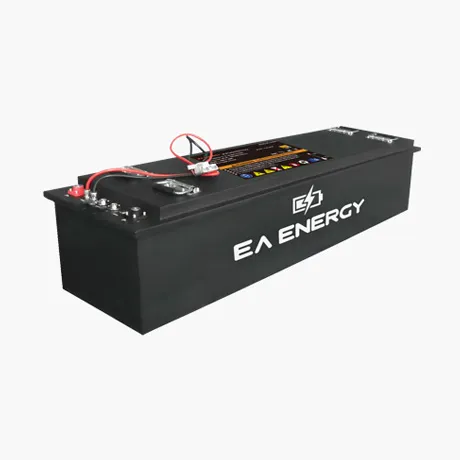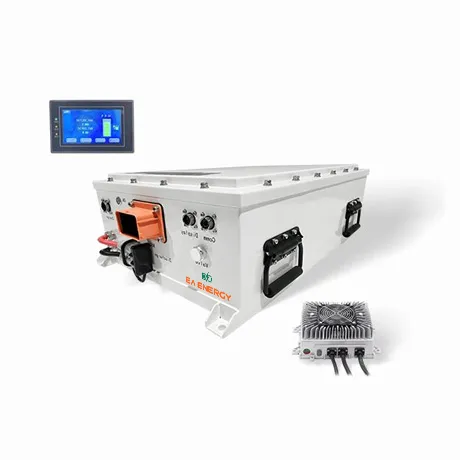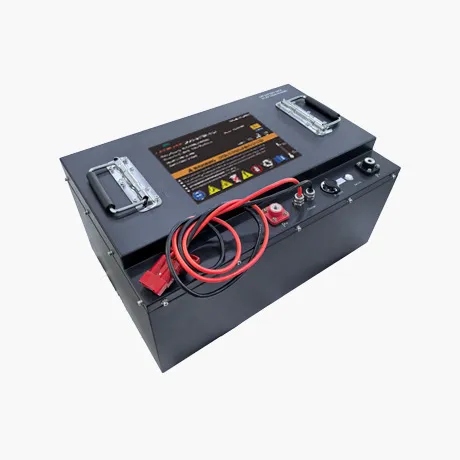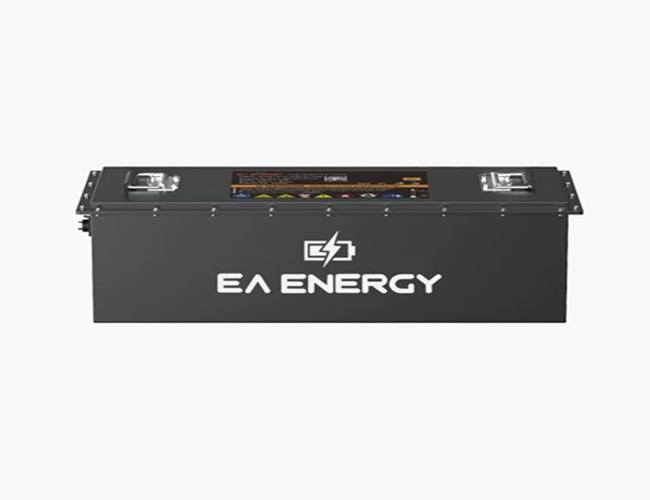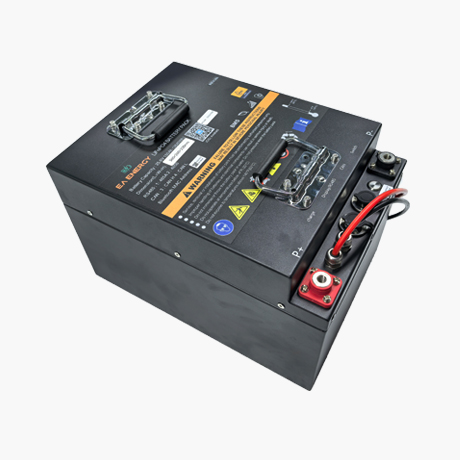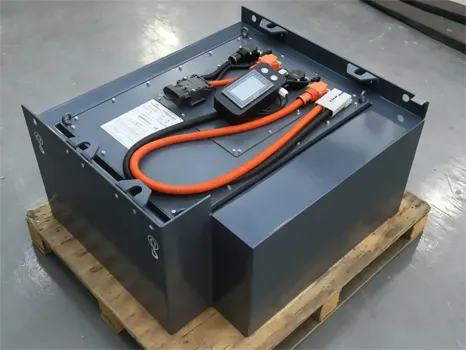
If you manage a cleaning fleet, you already know the hidden cost of lead-acid: watering schedules, corrosion cleanup, acid spill risk, and machines pulled from service when batteries fail early. Upgrading to modern floor machine batteries designed specifically for commercial scrubbers and sweepers can dramatically reduce routine maintenance and improve uptime. This guide explains what to look for in a floor cleaning machine battery, how the upgrade reduces labor, and how to plan a smooth fleet conversion.
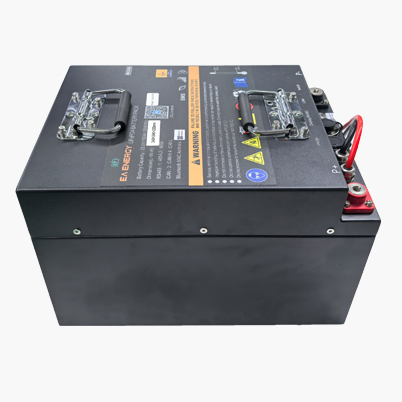
Most facility managers track battery replacement cost but undercount the labor that goes into keeping lead-acid batteries running. The tasks accumulate every week and every shift.
| Maintenance Task | Frequency | Labor Per Machine Per Month |
|---|---|---|
| Watering (distilled water top-up) | Every 5–10 operating days | 15–25 minutes |
| Terminal cleaning and corrosion treatment | Monthly | 20–30 minutes |
| Equalization charging | Monthly | Planned downtime + monitoring |
| Spill cleanup and floor decontamination | As needed — any watering or service activity | Variable — can be 30–60 minutes per incident |
| Sulfation troubleshooting and recovery | When machines underperform | 30–90 minutes per incident |
A 20-machine cleaning fleet can consume 15–30 staff hours per month in battery maintenance alone during heavy use periods — before counting the downtime when machines are pulled from rotation.
Flooded lead-acid batteries present real workplace hazards:
Acid spill exposure risk during watering and service
PPE requirement (gloves, eye protection, apron) for anyone accessing the battery compartment
Spill cleanup procedure compliance — particularly in food-service, healthcare, or clean-room facilities where acid contamination has serious consequences
Potential floor and equipment damage from acid exposure
| Task | Lead-Acid | Lithium Floor Machine Battery |
|---|---|---|
| Watering | Required every 5–10 operating days | Eliminated — sealed system |
| Terminal corrosion cleanup | Monthly | Significantly reduced — lithium does not produce acid vapor |
| Equalization charging | Required monthly | Eliminated — BMS handles cell balancing automatically |
| Spill cleanup | Any time battery is accessed | Eliminated — no electrolyte to spill |
| Early replacement from sulfation | Common at 2–3 years | Eliminated — lithium does not sulfate |
Beyond reducing maintenance labor, lithium floor machine batteries deliver a more consistent operating experience across each shift:
Stable voltage under load: lead-acid voltage sags as the battery depletes, causing brush pressure and suction performance to drop in the second half of a shift; lithium maintains near-constant voltage through most of the discharge
Predictable runtime: the flat discharge curve means operators and supervisors can accurately predict when a machine needs charging — no guessing based on sluggish performance
Consistent cleaning quality: stable voltage means consistent brush motor speed and water pump performance throughout the shift, not just at the beginning
Fewer machines waiting in the maintenance room. Fewer service tickets from operators reporting poor performance. More machines available during peak cleaning windows — morning building prep, post-event cleanup, mid-shift restroom maintenance runs.
| Parameter | What to Determine | How to Find It |
|---|---|---|
| System voltage | 24V, 36V, or 48V depending on machine | Machine nameplate or operator manual |
| Required amp-hour (Ah) capacity | Based on target runtime per shift | Calculate from motor current draw × hours of use |
| Connector type | Anderson SB, XLR, or OEM-specific | Inspect existing battery or connector on the machine |
| Physical dimensions | Length, width, height of the battery compartment | Measure the battery tray with existing battery removed |
The most common sizing mistake is specifying capacity based on rated machine runtime at light load, then discovering the battery runs short during demanding cleaning tasks. Floor scrubbers draw significantly more current under these conditions:
High brush pressure settings
Simultaneous squeegee vacuum and brush drive operation
Inclines or heavy payload situations
Multiple start-stop cycles in small spaces
A conservative sizing rule: target 20–30% more capacity than calculated from average load to allow for heavier-than-average operating conditions and to avoid regularly depleting the battery below 20% state of charge, which extends cycle life significantly.
A lithium floor cleaning machine battery without a robust BMS is not suitable for commercial fleet use. The BMS is the layer of intelligence that keeps the battery safe and extends its service life.
| BMS Protection | Function | Why It Matters for Fleets |
|---|---|---|
| Over-voltage protection | Prevents charging above safe cell voltage | Protects cells during charging; critical if charger compatibility is marginal |
| Under-voltage cutoff | Stops discharge before cells are damaged | Prevents the capacity degradation that results from deep discharge |
| Over-current protection | Limits current under heavy load | Protects against motor controller faults and wiring issues |
| Short-circuit protection | Disconnects immediately on a dead short | Safety critical — prevents thermal event in a commercial building |
| Temperature monitoring | Restricts charge and discharge at temperature extremes | Essential for facilities with cold storage areas or hot equipment rooms |
| Cell balancing | Equalizes charge across all cells in the pack | Maintains full pack capacity throughout the battery life |
This is the most common conversion mistake. A charger designed for flooded lead-acid will apply the wrong voltage profile for a lithium battery — either undercharging, overcharging, or triggering BMS protection shutdowns that prevent charging from completing.
Before committing to a lithium floor cleaning machine battery:
Confirm whether the battery supplier recommends a lithium-specific charger
Confirm whether the existing charger can be programmed to a lithium-compatible profile
If a new charger is required, include this cost in the ROI model — it is typically recovered quickly through efficiency gains
| Factor | Best Practice | Impact |
|---|---|---|
| Cycle life | Quality lithium: 1500–3000 cycles at 80% depth of discharge | 3–5x longer service life than lead-acid |
| Storage | Store at 50–60% SOC; charge monthly if stored over 2 weeks | Prevents capacity loss from storage degradation |
| Operating temperature | Avoid charging below 0°C without low-temperature rated cells | Cold charging permanently damages lithium cells |
| Depth of discharge | Avoid regular deep discharge below 20% SOC | Significantly extends total cycle life |
| Item | What to Confirm |
|---|---|
| Battery dimensions | Must fit the battery tray without modification; measure L × W × H |
| Voltage match | Must match machine's operating voltage exactly |
| Connector type | Must match existing connector or include an adapter |
| Mounting bracket | Confirm hold-down is included and appropriate for the battery compartment |
| Fuse or disconnect | Appropriate rating for the battery capacity and machine current draw |
| SOC display | Confirm the battery includes or is compatible with the machine's state-of-charge indicator |
| Charger | Confirm lithium-compatible charge profile before purchase |
| Savings Category | Annual Value Per Machine |
|---|---|
| Watering labor eliminated | USD 150–300 |
| Corrosion and cleaning labor reduced | USD 100–200 |
| Spill cleanup incidents eliminated | USD 50–150 |
| Reduced troubleshooting and downtime | USD 100–250 |
| Extended battery service life vs lead-acid | USD 100–200 per year amortized |
| Energy efficiency improvement (lithium charges at 95–98% efficiency vs 70–85% for lead-acid) | USD 20–50 |
Total annual savings per machine typically range from USD 500–1,000 — meaning a USD 400–700 premium for a lithium battery pays back within the first year on most commercial cleaning fleets.
Convert 3–5 machines in the first phase — select high-use units that will generate clear data quickly
Run the pilot for 60–90 days; compare maintenance log hours, runtime complaints, and availability against the lead-acid fleet
Calculate actual ROI from measured data
Use pilot results to build the business case for full fleet conversion
Watering, corrosion, and acid spills do not have to be part of your cleaning operation. Modern floor machine batteries — particularly lithium configurations designed for commercial scrubbers and sweepers — can simplify maintenance, improve shift productivity, and reduce total cost per machine. The best results come from selecting the right floor cleaning machine battery voltage and amp-hour capacity for your actual duty cycle, confirming charger compatibility before rollout, and piloting on a subset of the fleet before committing at scale.
Q1: Do lithium floor machine batteries really eliminate watering?
Yes. Lithium batteries are sealed and do not require water top-up like flooded lead-acid batteries. This eliminates the most time-consuming routine maintenance task for cleaning fleets, along with the acid spill risk and PPE requirements associated with battery watering.
Q2: What voltage is most common for a floor cleaning machine battery?
24V is the most common system voltage for mid-size commercial scrubbers and sweepers. Some larger machines use 36V or 48V systems. Always confirm the voltage from the machine nameplate or operator manual before specifying a replacement battery — voltage mismatch will damage the machine or prevent operation.
Q3: Can I use my existing charger with a lithium floor cleaning machine battery?
Sometimes, but not always. Lithium batteries require a specific charge profile that differs from lead-acid. Some lithium batteries include a BMS that can accept a lead-acid charger's output without damage; others require a lithium-specific charger. Confirm compatibility with the battery supplier before purchase — using an incompatible charger will either prevent charging or shorten battery life significantly.
Q4: What safety protections must floor machine batteries include?
A robust Battery Management System with over-voltage and under-voltage cutoffs, over-current protection, short-circuit protection, cell balancing, and temperature monitoring. For commercial cleaning environments — where machines are operated in varying temperature conditions, potentially with untrained users — these protections are not optional features; they are the minimum acceptable specification.
Q5: How do I estimate ROI when switching floor machine batteries to lithium?
Add up the current annual labor cost for watering, cleaning, and troubleshooting across the fleet. Estimate the annual cost of downtime when machines are pulled from service. Calculate the annual amortized battery replacement cost based on current replacement frequency. Compare these combined costs against the installed cost of lithium batteries (including any charger upgrades) to determine payback period. Most commercial cleaning fleets achieve payback within 12–18 months.
 English
  Lithium Golf Cart Battery
  Low Speed Vehicle Battery
  Lithium Forklift Battery
  Aerial Work Platform Battery
  Floor Cleaning Machine Battery
  Lithium Marine Battery
  Residential ESS
  Commercial & Industrial ESS
  Truck Electrical System
  RV Electrical System