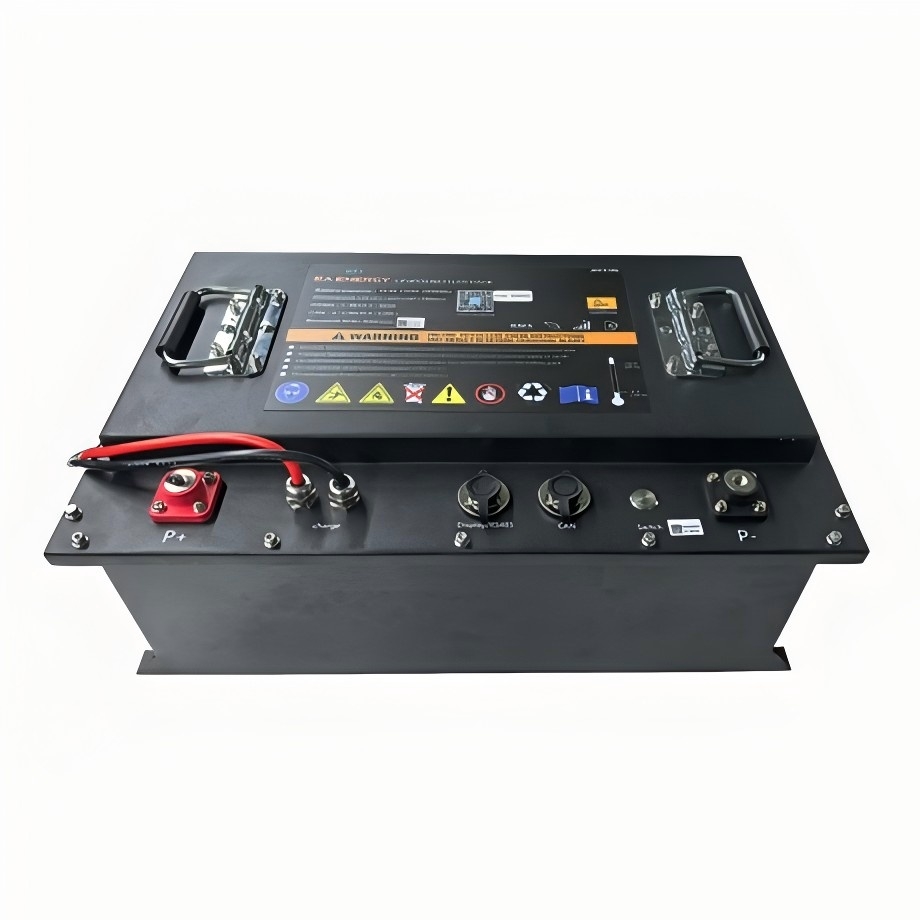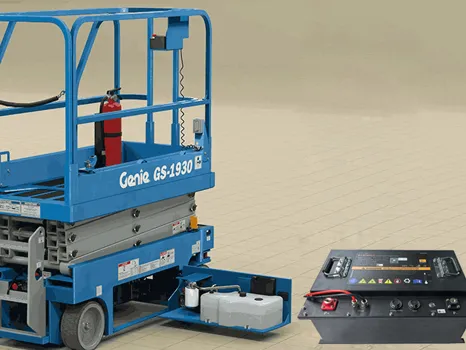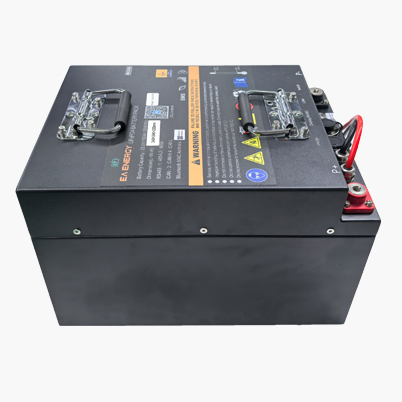
Fleet modernization is a key priority for resort managers, golf course superintendents, and logistics operators looking to minimize maintenance costs and maximize equipment uptime. When managing older or highly reliable utility platforms, transitioning the energy storage system represents the single most impactful upgrade you can perform.
Historically, heavy lead-acid batteries were the only viable option to run these vehicles. Today, upgrading to a high-density 36v lithium battery for golf cart systems allows commercial operations to breathe new life into existing vehicles. This conversion process is straightforward, highly cost-effective, and delivers immediate, measurable gains in daily operations without requiring you to replace your entire vehicle fleet.
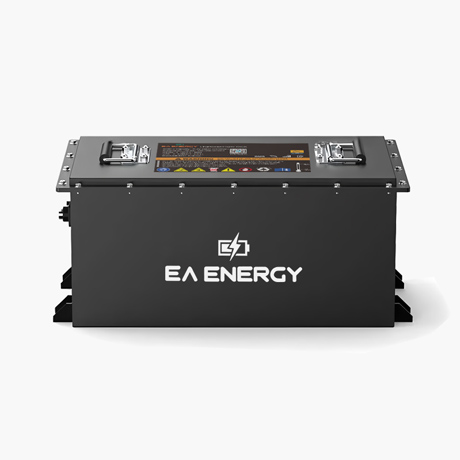
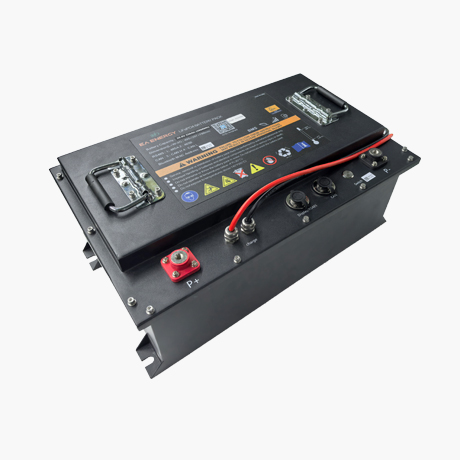
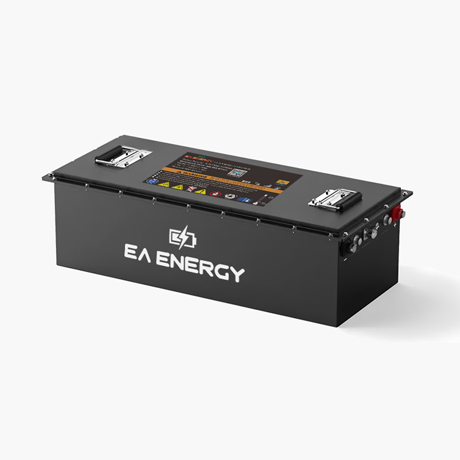
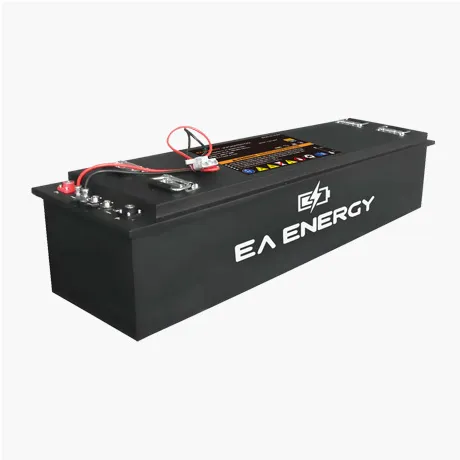
As a trusted Lithium Ion Golf Cart Batteries Manufacturer, EA ENERGY designs drop-in lithium upgrades that ensure a seamless transition. This practical guide covers the core engineering considerations, electrical realities, and installation steps required to successfully execute a clean battery conversion.
Before sourcing any conversion components, you must verify the precise electrical architecture of your vehicles. Older models of popular brands like E-Z-GO, Club Car, and Yamaha often utilized either 36-volt or 48-volt configurations. You can easily determine your cart's native voltage by opening the battery bay and inspecting the existing lead-acid setup.
A standard 36V system typically consists of six 6-volt lead-acid batteries connected in a series, while a 48V system usually contains six 8-volt or four 12-volt units. You can confirm the voltage of individual cells by counting the water-fill caps on each battery, as each individual cap represents a single 2-volt cell. Alternatively, checking the serial number plate or inspecting the factory electric motor casing will reveal the manufacturer's nominal voltage rating. Ensuring a precise voltage match is critical, as installing an incorrect battery voltage can damage the stock motor controller or lead to poor vehicle performance.

Replacing heavy, cumbersome lead-acid batteries with a unified 36v lithium battery for golf cart fleets yields an immediate weight reduction of up to 70%. In physical terms, this means removing roughly 300 to 400 pounds of deadweight from the chassis. This drastic weight reduction greatly reduces mechanical wear on the suspension, steering joints, and brakes, while preventing the heavy tire ruts that can damage manicured turf and golf course grass.
Because a single lithium battery pack is highly compact, it will occupy only a fraction of the original battery compartment. To secure the new pack safely, technicians do not need to perform complex metal fabrication. You can easily utilize standardized drop-in mounting brackets, heavy-duty hold-down straps, or custom-fit spacer trays to securely anchor the new battery block within the existing footprint. Ensuring the pack is firmly secured prevents movement and vibration when navigating uneven pathways, protecting the internal cell connections and terminal wiring from physical stress over years of continuous operation.
A major advantage of modern LiFePO4 conversions is that your vehicle's original high-torque DC motor and solid-state speed controller remain completely unchanged. The factory electronics are fully capable of handling the steady, consistent voltage delivered by a lithium pack. The installation of a 36v lithium battery for golf cart is fundamentally a plug-and-play process where you disconnect the old series-connecting cables, clean the main positive and negative terminal leads, and bolt them directly to the new single-pack terminals.
However, your charging and monitoring systems must change. Traditional lead-acid chargers utilize high-voltage equalization curves that will trigger the protective shut-off of a lithium Battery Management System (BMS). Therefore, you must integrate a dedicated LiFePO4 smart charger configured with a CC-CV charging profile. Additionally, because lithium batteries maintain a highly flat voltage discharge curve, the old analog dashboard battery needle will no longer provide accurate readings. To solve this, you should install a digital LCD battery monitor linked directly to the BMS to give drivers and fleet managers real-time, accurate State of Charge (SoC) percentages.
Calculating the correct capacity for your 36v lithium battery for golf cart conversion is essential for balancing purchase costs with daily mileage requirements. Unlike legacy batteries that degrade rapidly when discharged past 50%, LiFePO4 chemistry safely supports deep-cycle discharges up to 100% of capacity without damaging cell health, meaning you get access to all the energy you pay for.
For standard golf course operations where a vehicle needs to reliably complete 18 to 36 holes of play on a single charge, a nominal capacity of 60Ah is typically more than sufficient, delivering an average of 15 to 20 miles of continuous runtime. For heavy-duty commercial operations, resort guest shuttles, and multi-shift security patrol vehicles that operate day and night, opting for a 100Ah or 105Ah battery pack ensures a range of 30 to 40 miles per charge. This extended capacity eliminates range anxiety and supports opportunity charging during short breaks, keeping your equipment in service without interruption.
To assist your engineering and procurement teams in selecting the ideal solution, the standard physical and electrical specifications of the **EA ENERGY 36V Lithium Series** are outlined in the reference table below:
| Specification / Parameter | EA ENERGY 36V 60Ah Pack | EA ENERGY 36V 100Ah Pack | Operational Fleet Advantage |
|---|---|---|---|
| Nominal Battery Voltage | 38.4V (Standard 36V System) | 38.4V (Standard 36V System) | 100% compatible with stock 36V motors and controllers. |
| Weight Reduction | Approx. 70% lighter than lead-acid | Approx. 65% lighter than lead-acid | Improves climbing torque, top speed, and protects grass turf. |
| Deep-Cycle Capability | 100% Depth of Discharge (DoD) | 100% Depth of Discharge (DoD) | Consistent voltage and power output even at low capacity. |
| Expected Cycle Lifespan | Over 3,500 charging cycles | Over 3,500 charging cycles | Lasts up to 10 times longer than standard lead-acid packs. |
| Watering & Maintenance | Zero maintenance required | Zero maintenance required | No terminal cleaning, acid corrosion, or water-filling tasks. |
| BMS Safety Systems | Integrated Smart Protection | Integrated Smart Protection | Auto-shuts down in case of short-circuits, overcharge, or high heat. |
| Operating Temperature | -20°C to 60°C range | -20°C to 60°C range | Guarantees reliable startup and operation in extreme climates. |
Managing an electric fleet through seasonal closures requires a clear understanding of off-season battery storage. Traditional lead-acid batteries suffer from high self-discharge rates of up to 15% per month, meaning they must remain plugged into trickle chargers all winter to prevent permanent capacity loss caused by sulfation. In contrast, premium LiFePO4 batteries have an exceptionally low self-discharge rate of only 1% to 3% per month, making seasonal storage significantly simpler and safer.
To prepare your 36v lithium battery for golf cart for winter storage, you should first charge the batteries to approximately 50% to 80% of their total capacity rather than storing them completely full or empty. Once charged, simply switch off the main circuit breaker or disconnect the main positive terminal cable to isolate the pack and eliminate any phantom electrical draws from the vehicle's onboard accessories. Store the vehicles in a dry, sheltered location where temperatures stay within the safe storage range of -20°C to 35°C, and simply reconnect the terminals in the spring for an immediate, reliable start.
Upgrading your utility fleet to a modern 36v lithium battery for golf cart system is a highly practical, low-risk strategy to lower your long-term total cost of ownership. By shedding hundreds of pounds of unnecessary weight, eliminating hazardous watering routines, and extending battery life up to ten years, businesses can maximize operational efficiency and protect their capital investment. With drop-in physical compatibility and seamless electrical integration, modernization has never been easier or more reliable.
Are you ready to revitalize your commercial utility fleet with rugged, high-performance battery packs? Contact the EA BATTERY engineering team today to explore our custom dimensions, wholesale pricing options, and fleet-specific conversion solutions.
1. Can I use my old lead-acid charger for my new 36V lithium golf cart battery?
No. Lead-acid chargers are programmed with multi-stage charging profiles that exceed the safe voltage limits of lithium cells, which can trigger the BMS to shut down. You must use a dedicated LiFePO4 smart charger with a CC-CV algorithm.
2. Will a 36V lithium battery make my golf cart run faster?
Yes, indirectly. Because a lithium battery is roughly 70% lighter than lead-acid, your cart's electric motor carries significantly less weight. This results in a noticeable boost in top-end speed, faster acceleration, and much better hill-climbing torque.
3. Is it safe to leave a 36v lithium battery for golf cart plugged in all winter?
It is not recommended. Unlike lead-acid, lithium chemistry does not benefit from constant trickle charging. The safest storage method is to charge the battery to 50% - 80% capacity, disconnect the terminals to prevent passive drain, and store it in a dry environment.
4. What modifications are needed to fit a lithium pack into my old battery tray?
No structural chassis modifications are required. Because the single-pack lithium battery is much smaller than the multiple lead-acid blocks it replaces, you simply place it in the empty tray and secure it using simple hold-down straps or custom mounting spacers.
5. How many miles of runtime can I expect from a 36V 100Ah lithium battery?
Under normal payload and flat turf conditions, a high-quality 36V 100Ah LiFePO4 battery pack will easily deliver between 30 and 40 miles of continuous runtime on a single charge, making it ideal for heavy commercial operations.
6. What happens if a lithium battery is accidentally overcharged or short-circuited?
All high-quality lithium golf cart batteries feature an integrated Battery Management System (BMS). The BMS acts as an automatic safety switch, immediately cutting off all current flow in milliseconds if it detects overcharging, short-circuits, or abnormal temperature spikes.
 English
  Lithium Golf Cart Battery
  Low Speed Vehicle Battery
  Lithium Forklift Battery
  Aerial Work Platform Battery
  Floor Cleaning Machine Battery
  Lithium Marine Battery
  Residential ESS
  Commercial & Industrial ESS
  Truck Electrical System
  RV Electrical System